
drinkingwater2
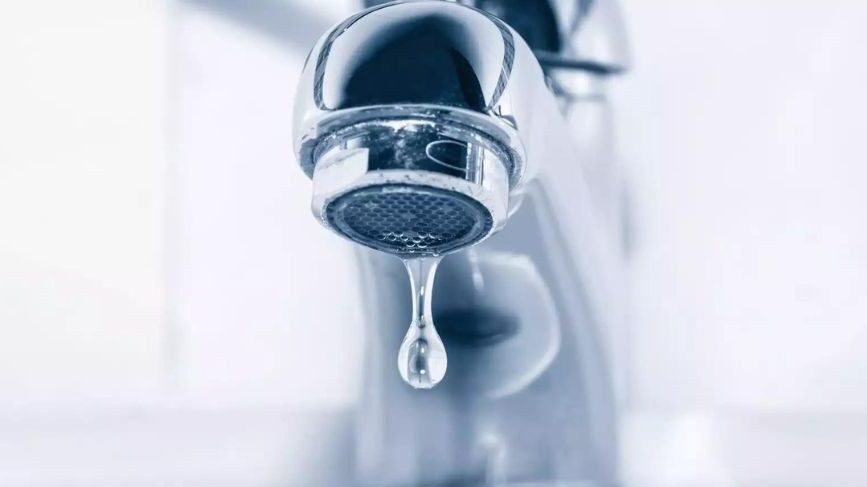
Kitchen water faucet. Public domain image
Mayor Marc Laredo followed up last week’s informational gathering—Nonantum neighbors met with a representative from environmental consulting firm Arcadis—with some updates on how the city is monitoring trichloroethylene (TCE) levels in groundwater and in the air in some homes.
Newton Health Commissioner Shin-Yi Lao and Chief of Staff Dana Hanson were at that meeting, taking notes and collecting feedback on an investigation that has spanned 11 years and three mayoral administrations so far.
“While any contamination in groundwater is cause for concern and thorough investigation, it is important to understand that groundwater is not drinking water,” Laredo emphasized in a message to the community.
Newton’s drinking water comes from the Massachusetts Water Resources Authority, which sources that water from the Quabbin Reservoir and the Wachusett Reservoir.
That water is treated at the John J. Carroll Water Treatment Plant in Marlborough before it gets to Newton.
The TCE contamination should not be confused with ongoing drinking water quality complaints the city has been working on in recent years, and common issues like brown coloration and strange odors are not indicative of TCE (TCE is colorless and odorless).
There’s an interactive map on the city website that lets you see the status of all water lines in Newton. And monthly drinking water reports by the MWRA can be found here.
A lingering threat
But vapors from contaminated groundwater can rise into buildings, and that can cause an array of health problems, including cancer.
The Massachusetts Department of Environmental Protection started its investigation in 2014 when two sites in Nonantum—an office park at 320 Nevada St. and the Chapel Bridge Office Park—were found with high levels of TCE in the air.
The EPA and MassDEP both have a safety limit of 2 micrograms for TCE per cubic meter of air indoors.
The state installed wells around the sites and more wells where the water flowed underground. And buildings where TCE was found in the air got sub-slab depressurization systems.
These systems work by using fans to create negative pressure beneath a building slab, preventing air (and toxic vapors) from rising into a structure. That air is then redirected to rise outside, not inside the structure.
“A Licensed Site Professional (LSP) is assigned to each of the two sites in Nonantum and they continue to conduct regular testing, analyze test results, and determine whether any subsequent cleanup activity in accordance with MassDEP regulations is necessary,” Laredo wrote.
As Arcadis representative Janet Connolly said, Arcadis would hold similar meetings with Nonantum residents in the future while the TCE mitigation process unfolds, however long that takes. And she said her company would explore other means of getting information out to residents, including a possible online newsletter.
Twelve years after initial contamination was discovered, the state is still in the second phase of a five-phase process with TCE mitigation. That’s because groundwater moves, and new contaminations can result from that, so extensive monitoring of the wells and sample analysis will be needed before the mitigation phase can begin.
So, expect a few more years of monitoring, meetings and alerts when needed.
Share This Story On:
DONATE TO SUPPORT LOCAL NEWS
Your tax-deductible gift to the Newton Beacon keeps our community connected and its residents informed.
Get story alerts twice a week:
Related Posts





Upcoming Events