
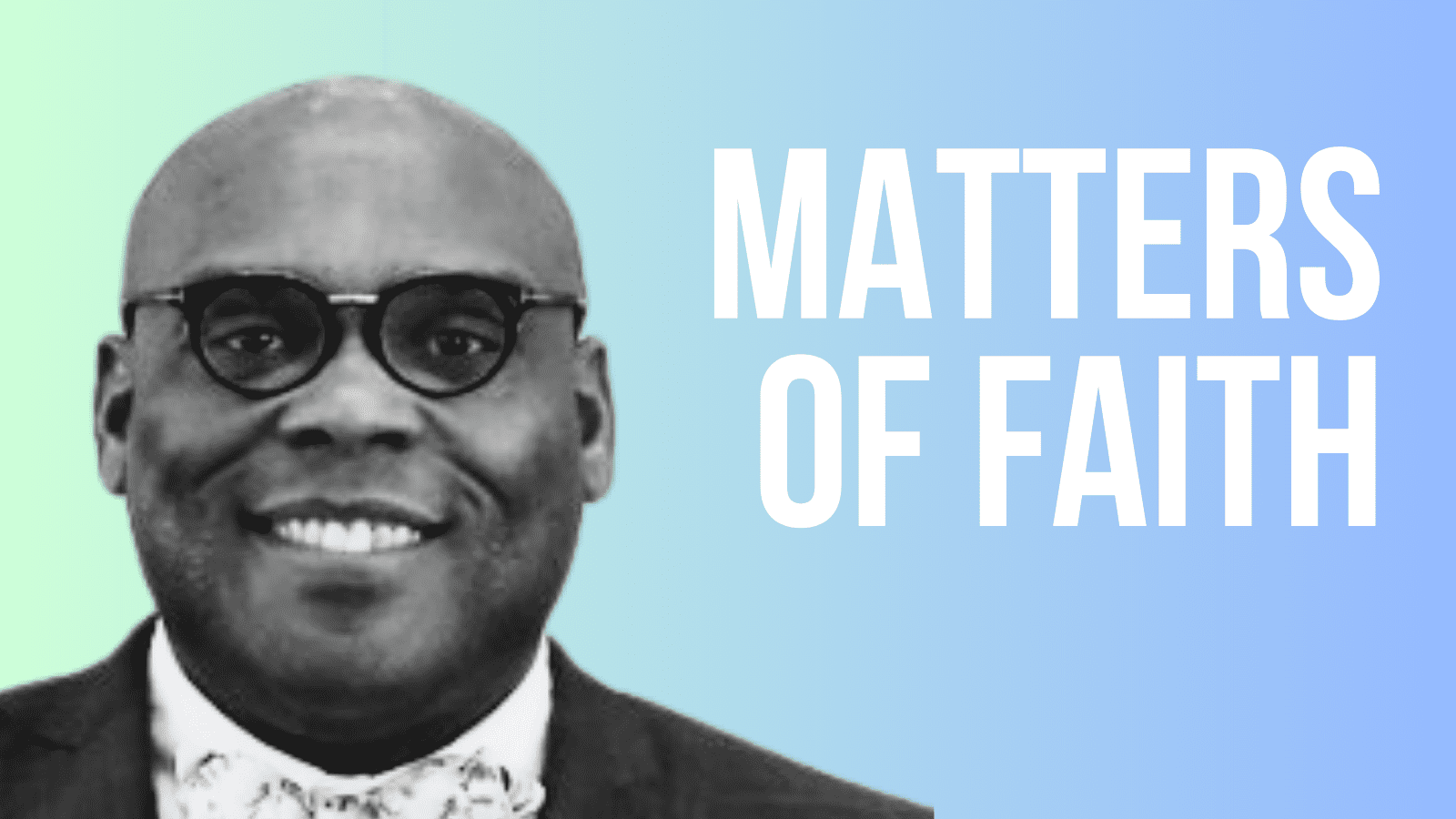
MATTERS OF FAITH
Monday marked Memorial Day, with its backyard barbecues, sports and games. It was a bit wet and overcast this year for the important occasion we call—drum roll, please—the unofficial start of summer.
But the holiday is more than that. We break out the flags, waving the red, white and blue far and wide. Newton, like so many other cities and towns across the country, hosted community parades (many the weekend before) and ceremonies at cemeteries this year and every year. Flags were flown at half-staff, and there was silence at 3 p.m. for the National Moment of Remembrance.
Let us not forget that this is the day that Americans remember the members of the armed forces who died during armed conflict. Those who died in war and made one of the greatest acts of sacrifice deserve to be celebrated, remembered and honored.
If we are not careful, however, what can seep into our Memorial Day tributes is a hidden veneer of national pride that blunts the blade of tragedy, melting raw grief for the fallen down into ammunition for the next war.
Let’s take a detour from the Hallmark version of history. The first Decoration Day was not a nationwide ritual. It was held May 1, 1865, in Charleston, S.C., where newly freed Black Charlestonians flooded a neglected graveyard. They replanted the earth, built new fences, held ceremonies, and honored Union soldiers not just to mourn, but to declare freedom in the boldest way possible.
Their actions shouted that this country’s future would be about emancipation, not just patching up the Union’s wounds. Three years later, that spirit caught fire. Decoration Day became a national event on May 30, 1868, with Americans across the country blanketing soldiers’ graves in flowers, an act of raw remembrance.
What began in Charleston as a defiant act of peace grew into what we now call Memorial Day. Strip away the pageantry and you see it. Memorial Day is not about waving the flag for war. Memorial Day is a call for peace prompted by the pain of violence.
“If you watch close, history does nothing but repeat itself,” wrote novelist Chuck Palahniuk. “What we call chaos is just patterns we haven’t recognized. What we call random is just patterns we can’t decipher.”
Every Memorial Day, we wrap the same rituals around the same wounds and call it patriotism. We dress up grief as glory, turn memory into an engine that keeps the machinery of war running, and convince ourselves that sacrifice is its own justification.
The cycle is plain to see, and not only in America. We do not just remember the dead, we build the next generation of reasons to send more to die.
Children are dying brutal deaths in Gaza, bombed or starved, while even basic food is withheld. There is a fictitious ceasefire in Iran, and the list of atrocities only grows. Wars continue in Ukraine, Sudan and elsewhere.
In the middle of this, we hear the old doctrine echo: “Peace Through Strength.” We are told that overwhelming force will make the world safer, but all we see is more devastation, more innocent lives wasted, and the same cycle of violence returning without pause. These are not unfortunate side notes. They are the direct outcome of a world that keeps mistaking power for peace.
We keep drinking the Kool-Aid of “peace through strength” while doing the same thing on a different day. Albert Einstein once said, “Insanity is doing the same thing over and over again and expecting different results.”
Perhaps the time has come for us to embrace the fact that real power is demonstrated by “strength through peace.” This is the fierce determination and commitment to solve conflict through non-violent means. It means choosing to end violence even when it means sacrificing profit so children do not have to starve and be robbed of their childhood, and rebuilding broken places instead of bombing them further.
And now in 2026, we are justifying “peace through strength” in the name of religion. Some invoke Psalm 144:1, “Blessed be the Lord my rock who trains my hands for war and my fingers for battle.” Others turn to the Old Testament’s “eye for an eye” in Exodus 21:24 to defend retaliatory attacks. We can cherry-pick verses from scripture to fuel endless conflict, twisting faith into a weapon rather than a path to the peace we all want.
We have to remember that all religious texts are forged in the fires of their times. They carry the weight of history and culture. Yet at the heart of every religious tradition is a call to care for creation, to love our neighbors as ourselves, and to pursue peace through the path of non-violence.
This is the real message that gets buried beneath the machinations of fear, greed, war and power. It is the challenge to reject the easy justification of violence and choose a fierce, unyielding commitment to peace.
St. Francis of Assisi says it best in his timeless prayer:
“Lord, make me an instrument of your peace:
where there is hatred, let me sow love;
where there is injury, pardon;
where there is doubt, faith;
where there is despair, hope;
where there is darkness, light;
where there is sadness, joy.”
Those are words we need to cling to today and every day.
The Rev. Dr. Eric C. Jackson is pastor of Eliot Church of Newton, UCC. He welcomes your feedback at pastoreric@eliotchurch.org or invites you to join him for coffee and conversation after the 10 a.m. service each Sunday.
Share This Story On:
BEACON SPONSOR

DONATE TO SUPPORT LOCAL NEWS
Your tax-deductible gift to the Newton Beacon keeps our community connected and its residents informed.
Get story alerts twice a week:
Related Posts







Upcoming Events