
THE JOURNEY
Let’s fast forward to the early 2030’s. Imagine that fleets of autonomous vehicles are offering Newton residents rides 24/7 at 25 cents a mile and with negligible wait times.
In that scenario, much of the rationale for car ownership has vaporized. The old model of car payments, fuel expenses, parking costs, insurance premiums, periodic maintenance and repairs no longer makes sense. Hailing an autonomous vehicle just when you need it has become a no-brainer.
And there’s more. In this not-too-distant future, insurance companies have raised premiums astronomically because manually driven vehicles are measurably less safe than autonomous ones. This has been the nail in the coffin in the desire to own a car. For young people, the transition has been effortless because the new technology is far less expensive and ridesharing has long been part of their lives.
This paradigm shift is reshaping city planning in myriad ways in 2030’s Newton. With autonomous cars in constant, visible circulation and personal car ownership rapidly diminishing, many fewer vehicles sit idle in parking lots. Restaurants can more easily expand onto road space and sidewalks. There’s excitement about finally returning the ugly lot in Newton Center to lush green space. At T stations, commuter parking is far less necessary because autonomous vehicles drop people off and move on. Air quality and traffic safety have dramatically improved in congested areas like Newton Corner’s “Circle of Death” over the Mass Pike.
This may sound like fantasy to many. But I have little doubt it will happen sooner than we can imagine. And for once, our tech journey may be leading us in the right direction.
Full disclosure: I admit to being a technology nerd.
But not for just any technology. I value technology that aims to leverage human intelligence. Technology that eliminates human drudgery. Technology that improves health and safety, and extends the life of the planet.
When Tesla unveiled its Model 3 electric sedan in 2016, it checked all my boxes. But it was the promise of autonomous FSD (full self-driving) that made me plunk down my $1,000 deposit. On my 68th birthday, the dream of a car that would drive me to Newton Wellesley Hospital unassisted, should I need that, was the best present I could ever give myself.
And after taking delivery in 2018, it already compensated for my failing eyesight, slowed reaction time, and reduced ability to swivel my head to scan for potential danger. With the FSD feature, it handled autonomous highway tasks like changing lanes and taking exits. Later, it was able to do this on city streets as well.
My love for “driving” was completely restored because of these amazing safety features, and I once again started taking long road trips, even at night and in heavy rainstorms. And saving 15 metric tons of CO2 emissions over the next 8 years and 135,000 miles made me feel good about doing something positive for the planet.
This March, I traded in my 2018 for a 2026 Model 3 because of its more modernized and powerful technology that makes FSD even better, by an order of magnitude, than it already was. In just five months, I’ve journeyed 15,000 miles, in every traffic scenario imaginable. A mindblowing 99.3 percent of those miles have been fully autonomous.
I’ve handled the steering wheel and controls for only 100 miles in those five months. Usually, I just speak my next destination or list of waypoints, and the car drives me there. That’s it. Yes, I’m fully responsible for supervising the FSD, but interventions are now rare. AI is moving my car’s autonomy toward a target of driving perfection. To date, Teslas operating under FSD have logged almost 15 billion miles. Their data shows that with FSD, the chance of accidents is tremendously reduced compared to driving manually.
Public acceptance of autonomous cars has improved in the last few years, mostly due to Waymo. Beyond the novelty factor, a big reason for this seems to be the absence of a strange driver in the car. Other reasons are absence of driver rating anxiety and tipping, the ease of having phone calls, and relaxation in a personal, anxiety-free bubble. Ride quality seems safe and consistent, unlike in manually driven rideshares. Blind riders, now able to distinguish pickup vehicles through honk patterns and other sounds, appreciate the absence of ride cancellations because of service dogs.
Kicking this paradigm shift into high gear, Tesla just launched its autonomous Cybercab service in Austin, Texas. It will rapidly expand elsewhere as soon as regulations permit. With no steering wheel or foot controls, and a revolutionary low cost manufacturing process, it will be able to offer rides at a fraction of the cost of other rideshares, including Waymo.
Don’t be surprised if your first autonomous vehicle ride will happen right here in Newton. You may not have to wait until 2030 for that. And once it does, imagine that greener Newton.
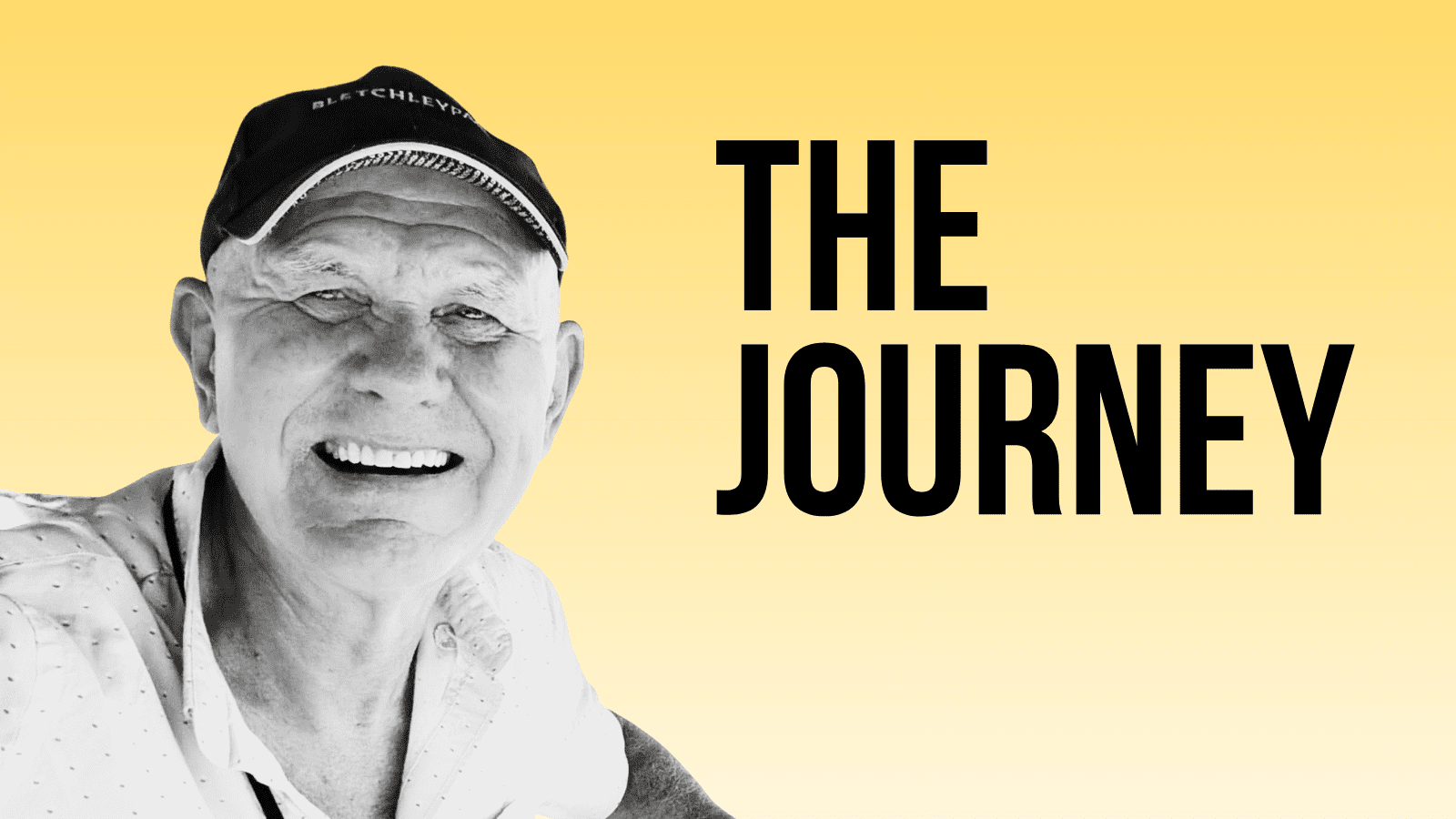
Andris Vizulis is a Newton neighbor, indefatigable traveler and technology futurist. He can be reached at avizulis@gmail.com.
Share This Story On:
DONATE TO SUPPORT LOCAL NEWS
Your tax-deductible gift to the Newton Beacon keeps our community connected and its residents informed.
Get story alerts twice a week:
Related Posts

Upcoming Events