
MATTERS OF FAITH
Long before finding home in New England, I spent my earliest years in a New York City neighborhood called Parkchester.
On the weekends, we would go shopping. On the way to the butcher, we would stop by the vegetable stand for fresh produce. Toward the back was this squishy white block sitting in little square baskets, surrounded by bean sprouts. A white label written in black marker said “tofu.”
I wondered who in the world would eat this stuff.
I’d always thought it was gross – until one day after classes in high school, I went to a buffet and saw these lovely triangles that looked like some kind of cheese, covered in a dark brown sauce with scallions and colorful bell peppers.
They looked delicious. I scooped some onto my plate, enjoyed it, and went back for more. Then I read the label: Tofu. I couldn’t believe how good it was until I tried it.
I thought back on this over the Labor Day weekend. The holiday commemorates the struggle of workers who imagined safer working conditions, more equitable pay, and an eight hour workday in the nineteenth century.
To many people, those ideas did not look particularly good from afar. The early labor movement was met with fierce resistance. Workers were beaten and killed. Businesses, politicians and other powerful leaders fought changes that many of us now consider basic protections of working life.
What once looked radical from afar became something we now recognize as good.
Maybe that is one of Labor Day’s lessons. Sometimes we have to look beyond our first impression, risk imagining something different, and discover that what seemed strange at first can make life better for all of us.
A couple of my parishioners have talked with me about Dolly Parton since her passing. Many of us have had her on our minds. I can not help but think about the example Parton left behind and the kind of labor our world needs now.
We remember the big blond hair. The rhinestones. The Tennessee accent. Dollywood. “Jolene.” “I Will Always Love You.” But I find myself thinking less about the Dolly Parton we watched perform and more about another body of work she left behind.
After Whitney Houston’s recording of Parton’s “I Will Always Love You” became a global phenomenon, Parton earned millions in royalties. She later said she invested some of that money in property and businesses in a historically Black area of Nashville.
During the Covid pandemic, Parton donated $1 million to Vanderbilt University Medical Center, supporting research connected to the Moderna vaccine. She also rolled up her sleeve to be vaccinated to help dispel fears of the shot.
In 1995, she created the Imagination Library in honor of her father, who could not read or write. The program began by mailing free books to young children in her home county and grew into an international literacy effort that has distributed hundreds of millions of books.
When wildfires devastated East Tennessee in 2016, Parton created the My People Fund, which provided direct payments to families who had lost their homes.
Her work extended beyond philanthropy. Parton publicly supported marriage equality and believed it was the faithful and morally right thing to do.
None of this turned her into a partisan political figure. She generally avoided partisan politics while standing up to do the morally right thing publicly.
She simply seemed to understand that her work could be larger than the work that made her famous. A labor of love.
Parton knew something about work. She wrote thousands of songs, built businesses, toured for decades, and gave us “9 to 5,” a song about workers struggling against exploitation and powerlessness.
But another kind of labor was happening alongside it.
A daughter remembered that her father could not read, and children received books.
A woman who grew up poor saw families lose their homes, and money showed up.
A celebrity saw a medical crisis, and research received another million dollars.
Maybe that work is less memorable than rhinestones. Maybe mailing books does not make the cultural splash of “Jolene.”
Which brings me back to tofu.
For years, I knew what I thought about it because I knew what it looked like.
Then I tasted it.
We know what Dolly Parton looked like. We know the hair, the songs and the jokes. But in the aftermath of Labor Day, I am thinking about the work that received less attention.
Not the labor that made Dolly Parton famous.
The labor of love that made other people’s lives better.
That is the kind of fearless, selfless labor we need in these times: As the late Rev. William Sloane Coffin once said, “risking something big for something good.”
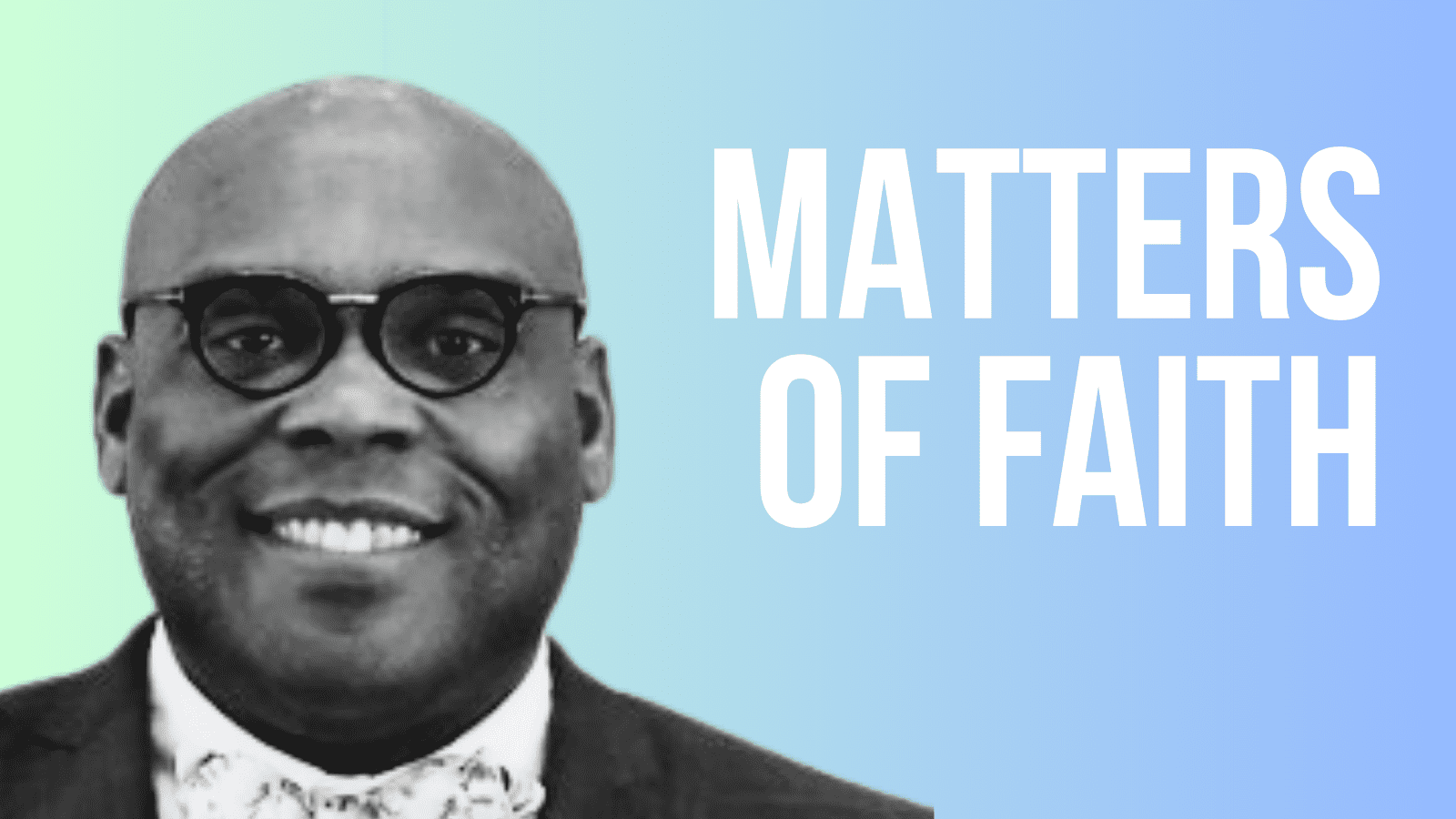
The Rev. Dr. Eric C. Jackson is pastor of Eliot Church of Newton, UCC. He welcomes your feedback at pastoreric@eliotchurch.org or invites you to join him for coffee and conversation after the 10 a.m. service each Sunday.
The Rev. Dr. Eric C. Jackson is pastor of Eliot Church of Newton, UCC. He welcomes your feedback at pastoreric@eliotchurch.org or invites you to join him for coffee and conversation after the 10 a.m. service each Sunday.
Share This Story On:
DONATE TO SUPPORT LOCAL NEWS
Your tax-deductible gift to the Newton Beacon keeps our community connected and its residents informed.
Get story alerts twice a week:
Related Posts



Upcoming Events