CULTURAL NEWTON
When we talk about supporting arts and culture in Newton, we usually think about showing up – buying tickets, attending events, taking classes, or making donations.
All are important. But there’s another way to make a meaningful contribution: Share your time and talents by serving on a nonprofit board.
Newton is home to nearly 50 arts and cultural organizations. While that breadth is one of our greatest strengths, it also takes a lot of people to sustain it. If each group has even a modest board of eight members, that represents nearly 400 volunteer leadership roles across our cultural sector, not to mention the committees, advisors, and volunteers that make the work possible.
And yet, I hear the same concern again and again from my fellow nonprofit leaders: finding engaged board members is hard.
There are plenty of reasons. Our lives are busy. Volunteering habits changed during Covid. And perhaps we define “arts leadership” too narrowly.
Here’s the good news: You don’t have to be an artist to support the arts. You simply need to believe in an organization’s mission and have something you’re willing to contribute.
And chances are, you do. Our nonprofits need board members with a range of skills.
Maybe you’re an accountant who can help an organization better understand its finances – often a pressing need for small arts nonprofits. Perhaps you’re a lawyer who understands contracts, employment, or governance. A marketer who can help reach new audiences. Or maybe your expertise is in technology, education, fundraising, real estate, human resources, or strategic planning.
Your expertise may be exactly what allows Newton’s cultural infrastructure to thrive.
Having spent much of my career working with and serving on nonprofit boards, I know that effective board service is about much more than attending meetings.
As a former executive director, I can’t even begin to tell you how much I relied on my board members to help navigate issues from the banal to the sublime (think racoon remediation to covid financing). And as a board member myself, I appreciate being part of the support system that helps an organization stay focused on its mission and deepen its impact.
Board members help safeguard an organization’s mission and finances, support its leadership, raise funds, open doors, make connections, and imagine what might come next.
They also bring something even more valuable: perspective.
If we want Newton’s cultural life to be vibrant, inclusive, and innovative, the people helping to lead our organizations should bring different generations, neighborhoods, professional experiences, cultures, and points of view to the table.
Boards don’t simply support organizations; they help shape them. They ask who is being served, whose voices are missing, where resources should go, and what an organization might become. Your voice can make a difference!
In my last column, I proposed that philanthropy is cultural infrastructure. Private giving allows organizations the room to expand access, nurture artists, experiment, and grow.
But our cultural organizations need another kind of capital, too: human capital.
This is particularly important in Newton, where our cultural life is spread across our 13 villages. We can’t depend on a relatively small circle of residents to serve on every board, attend every fundraiser, make every introduction, and sustain the cultural life we all enjoy.
If we want arts and culture to flourish in Newton, we need artists and audiences. We need philanthropy and municipal investment. But we also need neighbors willing to step in, lend their talents, and sometimes lead.
So let’s grow the circle. Start by checking the Newton Arts Calendar and finding a program that piques your interest. Then ask a simple question: Who makes this possible – and how can I help?
Engagement is the first step. Volunteer, make an introduction, join a committee, or share your professional expertise. You may be surprised by what comes back to you: new skills, new connections, and a deeper sense of belonging in our community. Some of my closest friendships began around a nonprofit board table.
Not sure where to start? Explore the city’s Cultural Asset Map, find an organization whose mission speaks to you, and reach out.
There may be a seat at the table waiting for you!
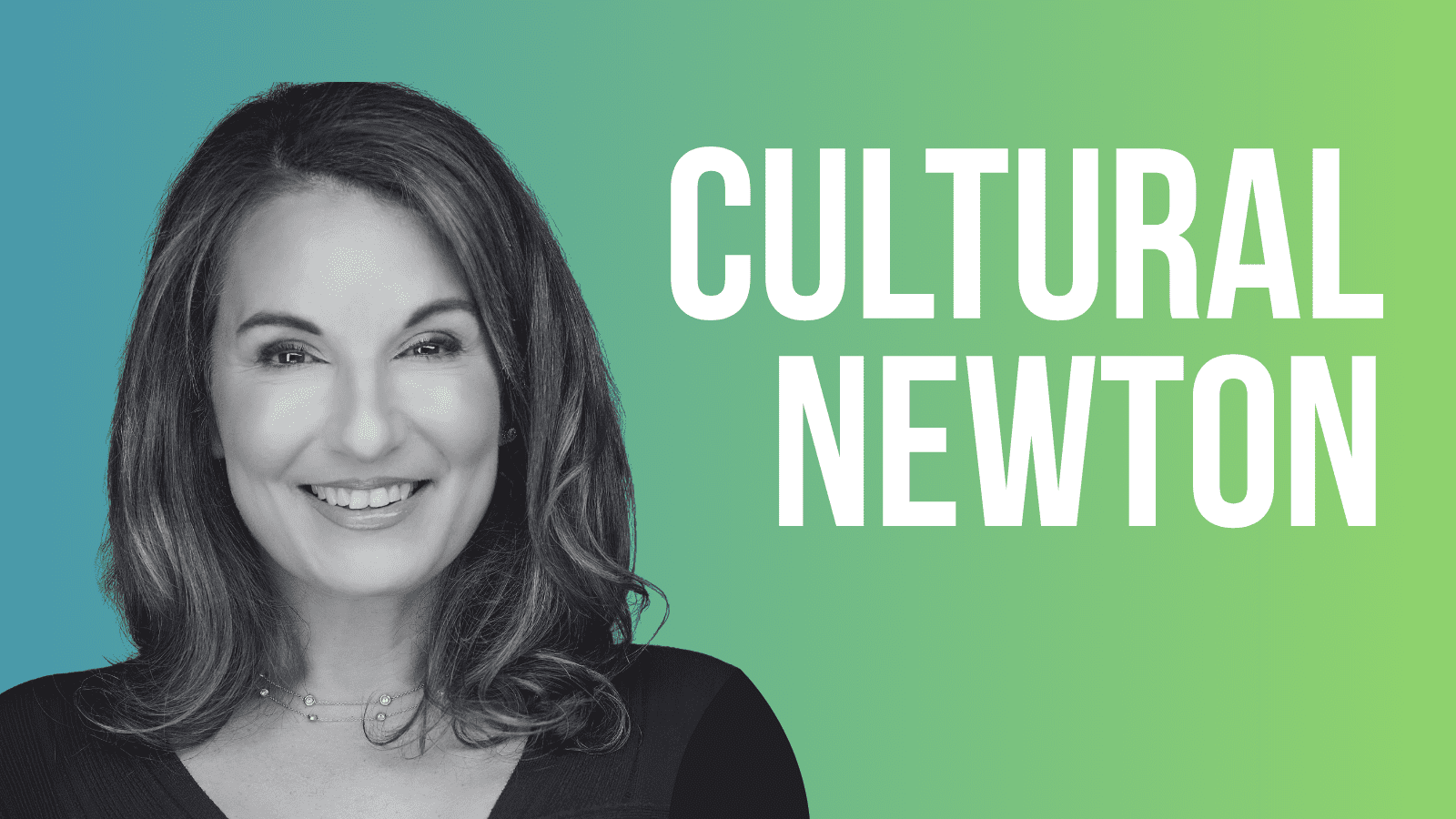
Emily O’Neil is a Newton resident, former executive director of the New Art Center, and former co-chair of the Newton Cultural Council.
Share This Story On:
DONATE TO SUPPORT LOCAL NEWS
Your tax-deductible gift to the Newton Beacon keeps our community connected and its residents informed.
Get story alerts twice a week:
Related Posts




Upcoming Events