VOTE NOV 4
Voter Resources
Election Day:
Tuesday, Nov. 4.
Polls: 7 am to 8 pm
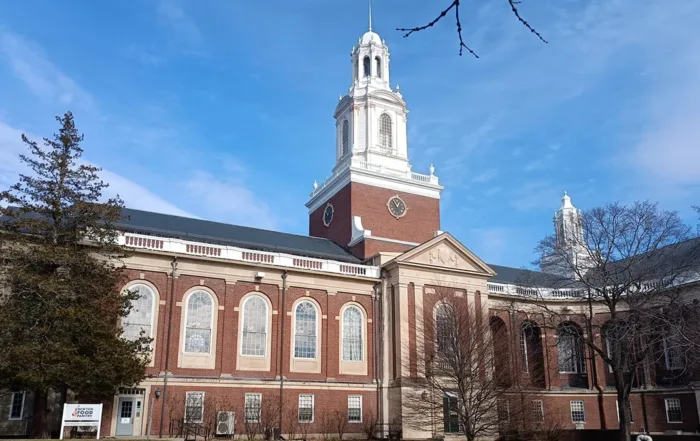
Early voting at Newton City Hall:
Oct 25: 11am to 5pm
Oct 26: 11am to 5pm
Oct 27: 8:30am to 8pm
Oct 28: 8:30am to 5pm
Oct 29: 8:30am to 5pm
– Check Your Status
– Register To Vote
– Find Your Ward, Precinct and District
– Find Your Voting Location
– More on Elections: Secretary of State
Election Events
LWV Parking Ban Ballot Question Meeting
Oct. 7, 7 to 8:45 pm
Newton Free Library
330 Homer Street
Newton Municipal Election
Nov. 4
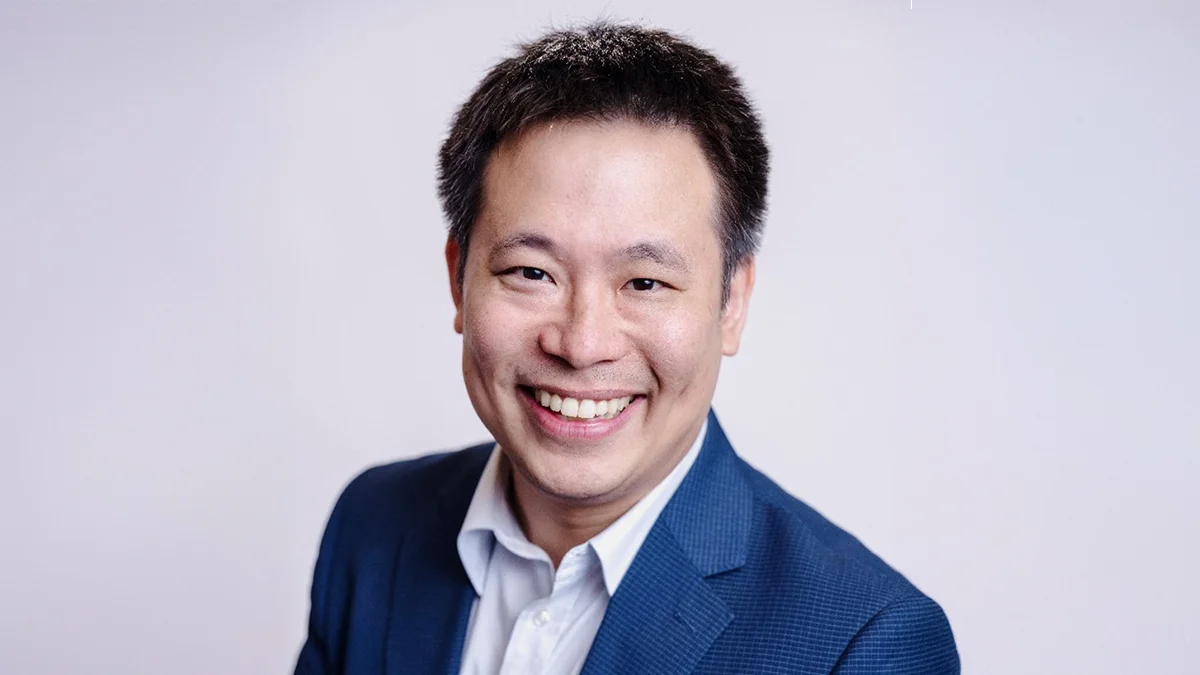
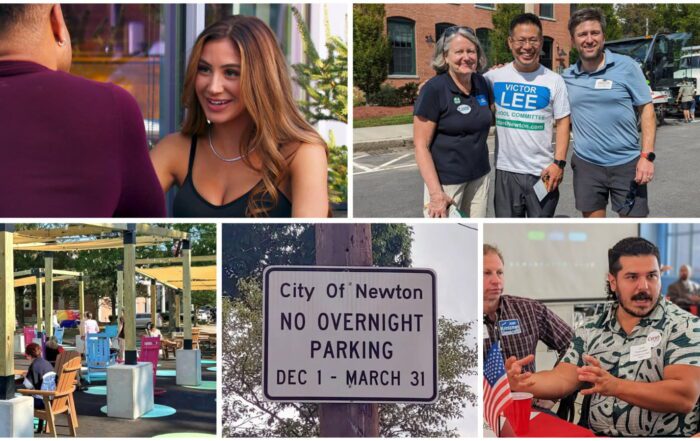
Victor Lee is a candidate for the Newton school committee in Ward 8. Learn more about his views from his campaign website, the Beacon’s profile, and his responses to the Beacon’s candidate survey:
Would you support a Proposition 2 1/2 operating override to fund schools and other city expenses?
Yes. Newton needs to have a deeper conversation about: a) how much of a tax impact we can expect from an override; and b) exactly what the additional funds would go towards. Past efforts have come across as insufficiently explained on these dimensions. We also should not position an override as a binary yes/no decision, but in gradients.
An override should be on the table, but should not be pursued without an open conversation with Newtonians first. We have to explain how, for example, even a 3.65% YoY budget increase for NPS did not come close to the thrive budget NPS should strive for – and the consequences for our schools. Additionally, we need to explore other budgetary steps first, or in conjunction: such as getting higher reimbursements for SpEd from the state and possibly decelerating the pension liability funding pay-off timetable that was previously accelerated.
Did you support the NTA going on strike last year?
No. I believe some of the NTA desires were reasonable and important to discuss (e.g., appropriate COLA increases, improved support for aides), and I appreciate that some members of the NTA felt frustrated and out of options because of how the Mayor and some members of the School Committee approached the negotiations.
However, though the NTA is not solely responsible for the conditions that led to the strike, the decision to strike was ultimately theirs. I believe the NTA should not have undertaken an illegal strike that resulted in students being out of school for way too long (11 days) and undermined trust in the public school system. Having talked to thousands of Newtonians, I have seen how detrimental the strike was to teacher and community relations. The strike was lose-lose, and our students and teachers both deserve better. I look forward to restoring healthier channels for dialogue so that we reduce the likelihood of a strike occurring again.
Would you keep the district’s multilevel classroom learning?
No. As explained on victor4newton.com and in my Boston Globe Letter to the Editor, multilevel is not working well within the current NPS context, and I oppose extension of the practice – especially in math – to lower grades as some have proposed. Post-COVID, we have significant variations in student ability that strain the capability of even strong educators to perform in-class differentiation. Closing achievement gaps is important, but not if it is to be accomplished by lowering the ceiling of expectations. Multilevel classrooms have also not always helped their intended beneficiaries.
NPS can explore other approaches — for example, automatic enrollment policies for advanced coursework in which students retain the ability to opt out if they choose — that employ an objective measure of readiness without introducing unintentional biases. Such approaches address equitable access to advanced coursework without compromising the academic standards Newton has been known for.
Would you support the district joining School Choice, which would permit parents to send their children to public school in communities other than that in which they reside?
No position. This is a complex topic that was only raised toward the end of the last school year that requires more discussion and reflection before I take a final position. Currently, I am hesitant about (but not immutably opposed to) School Choice and believe we need to focus first on serving the kids of Newton and reversing the root causes of significant numbers of Newton kids exiting the system (e.g., decline in academic rigor, instability from a strike and budget challenges). We also need to see if we can shore up the budget better with options like advocating for higher level of state SpEd reimbursement, pension liability timetable adjustments, and maybe a Proposition 2 1/2 override. If we can do that, then the monetary incentive of joining School Choice might change.
We also need to understand better what the impacts of School Choice might be financially, particularly if students with more complex, costly-to-serve needs come into the system.
Would you support keeping the schools’ DEI initiatives even if it may mean losing millions of dollars in federal funding?
No position. This is too hypothetical right now and too broad a question for a topic where important nuances lie in the details. We would have to understand which specific DEI initiatives would be at risk and what the exact funding impact would be to make informed decisions.
Generally, I believe that we need to ensure NPS offers spaces where all students can feel safe and that they belong, and we need to make sure that all students have opportunities to achieve their full potential. Those are the guiding principles that would inform my decision making.
Regarding the loss of federal funding, most of our federal funding (~$3.5M) is related to IDEA, and even the Trump Administration has been wary of cutting that. Title I funding is a relatively small portion of the NPS budget and unlikely to be severely hit. The open challenge is understanding how state funding to NPS will be hit by federal funding changes. Those can be addressed in partnership with Governor Healey if/when the time comes.
Are you prepared to close one or more of the city’s elementary schools if data supports doing so?
No position. Again, the devil lies in the details. It will ultimately depend on what the data in question is. Right now, I am resistant to the idea of closing or combining schools like Ward and Underwood – especially since neighborhood schools are an important element of the elementary experience in NPS and if there are any grades where lower student-to-teacher ratios are important, it is in elementary.
We also have to be clear on what we would hope to gain from closing schools. With around 87% of the NPS budget relating to staff and reductions in staff not being something that can change on a dime, closing schools would have to be about longer term savings and necessities. In order to assess what the longer term future of NPS would be, we have to understand first if declines in enrollments that are likely to be the driver of closing elementary schools can be reversed by the focus I am proposing on restoring the academic rigor, funding, and stability of the school system.
What one big idea or initiative would you champion, once elected?
NPS spends a significant amount of money on Special Education (SpEd), and rightfully so. However, current Chapter 70 formulas and circuit breaker reimbursements are not keeping up with the change in the complexity of needs and growth in SpEd that NPS is experiencing. We should not be getting back only around 47% of our dollars spent for SpEd transportation and around 75% for SpEd instruction. I want the School Committee, union, City Council, and the Mayor to partner with our State Representatives – and potentially other districts – to advocate for reimbursements that better reflect the reality of NPS today. If we can work together on this important initiative, I believe we can put our budget in a better position and improve relationships across the board that will make collective bargaining for the next union contracts a less stressful process for all. This won’t be easy, but it is feasible and actionable. I’ve already taken initial steps and begun building the necessary relationships.