VOTE NOV 4
Voter Resources
Election Day:
Tuesday, Nov. 4.
Polls: 7 am to 8 pm
Early voting at Newton City Hall:
Oct 25: 11am to 5pm
Oct 26: 11am to 5pm
Oct 27: 8:30am to 8pm
Oct 28: 8:30am to 5pm
Oct 29: 8:30am to 5pm
– Check Your Status
– Register To Vote
– Find Your Ward, Precinct and District
– Find Your Voting Location
– More on Elections: Secretary of State
Election Events
LWV Parking Ban Ballot Question Meeting
Oct. 7, 7 to 8:45 pm
Newton Free Library
330 Homer Street
Newton Municipal Election
Nov. 4
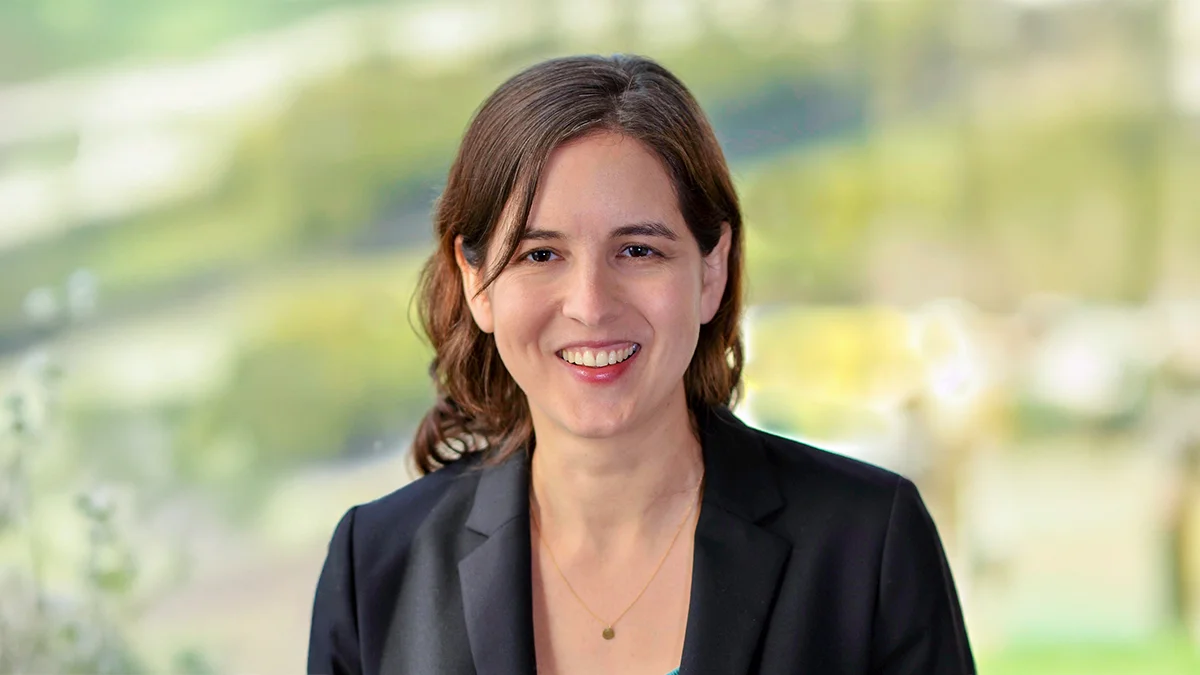
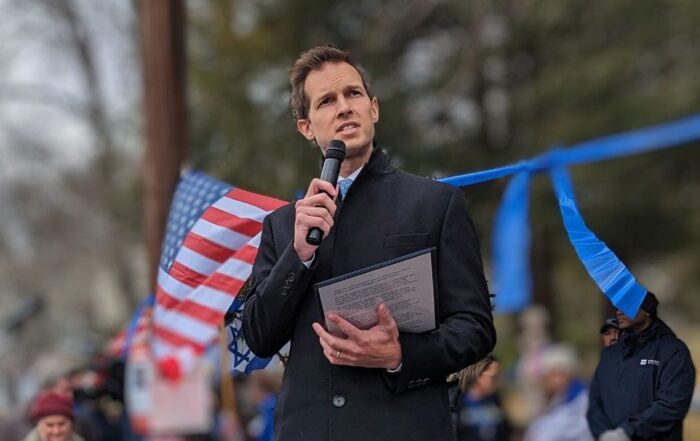
Jenna Lauter Miara is a candidate for the Newton school committee in Ward 5. Learn more about her views from her campaign website, the Beacon’s profile, and her responses to the Beacon’s candidate survey:
Would you support a Proposition 2 1/2 operating override to fund schools and other city expenses?
Yes. I support an operating override but it cannot be the first or only solution to NPS’s budget challenges. We need to continue to look for efficiencies within the district, explore all potential sources of additional funding, pursue grants and other partnerships, and make strategic investments with the dollars currently available. At the same time, we need to lay the groundwork for an effective override campaign so that we are set up for success if an override is needed. That means working collaboratively with all stakeholders, building trust with voters by demonstrating accountability and fiscal responsibility, and communicating clearly and often about the budget needs of the schools. In an override campaign, it will be crucial to have broad support from City Council, School Committee, and the unions, and to detail how new funds would be used to support a positive vision of NPS that benefits everyone in Newton because our city’s health is inextricably linked to our schools’ health.
Did you support the NTA going on strike last year?
No position. I was devastated by the strike and deeply concerned about the future of our schools. One of the most critical responsibilities of the next School Committee will be to avoid a repeat of the division and disruption we endured in 2024 by successfully negotiating the next contract. I understand from my experience on both sides of the negotiating table and from talking to many NTA members and past and present School Committee members that the strike was the almost inevitable result of several years of an increasingly ineffectual and high-conflict relationship. Particularly in light of the national and local challenges facing public education, it’s critical that we find a way for School Committee and the NTA to be partners, not adversaries. I know how to do that by fostering open dialogue, building productive relationships, and identifying shared interests to find compromises so that we can reach a sustainable contract that serves all students.
Would you keep the district’s multilevel classroom learning?
No. I would not keep NPS’s current multilevel approach in high school because it was not implemented properly and it is not working well for many students and teachers. Although it was intended to give all students access to challenging material and address real and persistent achievement gaps, the current multilevel approach often waters down the rigor and provides less targeted support than some students need. That is not acceptable. I believe we need to level high school courses that require the stacking of skills, such as math, certain science classes, and world languages. If multilevel classes are maintained in other subjects, we must provide strong teacher training and clear standards, collect data and solicit feedback, and make necessary adjustments. I support keeping multilevel learning in elementary and middle school, where diverse learners can generally be well served in the same classroom, although there may be reasons to consider some leveling in courses such as 8th grade math.
Would you support the district joining School Choice, which would permit parents to send their children to public school in communities other than that in which they reside?
No. While I am in favor of carefully examining every opportunity to bring new revenue into the district, I am currently not convinced that School Choice is an effective revenue tool or a good fit for NPS. I have learned from speaking with parents and educators in other districts that School Choice is a risky and frequently losing proposition because the students and families who participate often have high needs that require district resources well beyond the amount of funding received. For now, NPS needs to prioritize serving its current students well and is not in a position to risk additional burdens that outweigh the relatively modest funding attached to School Choice students. I am of course open to learning more and changing my position if warranted, and look forward to Dr. Nolin’s future presentation of the issue.
Would you support keeping the schools’ DEI initiatives even if it may mean losing millions of dollars in federal funding?
Yes. At a time when national politics are increasingly polarized and divisive, it’s more important than ever for communities like Newton to uphold and live our values. That includes support for inclusion, fairness, and full participation of all community members regardless of identity or background. And we can very likely find ways to do that without sacrificing funding. Running an organization that funds legal aid programs across Massachusetts, I work closely with nonprofits grappling with similar questions and I’ve spent considerable time analyzing Executive Orders and other federal policy pronouncements. I know that there are many effective initiatives that support diversity, equity, inclusion, and belonging and that are well within the law. I can help NPS navigate the evolving landscape and make informed decisions to allow continued progress on these critical issues so Newton can be a model of a district where every student feels welcome and valued and has the opportunity to thrive.
Are you prepared to close one or more of the city’s elementary schools if data supports doing so?
Yes. I’m willing to make hard choices to benefit NPS students, and that includes closing an elementary school if it’s best for those students and for the district as a whole. Students’ experiences are improved by modern facilities and right-sized schools. Neighborhood schools are wonderful, but at some point the benefits are outweighed by the downsides. If a school is too small, teachers lose out on important opportunities to collaborate with grade level teams, vital programs like MTSS are challenging to implement, and students may be socially isolated. Within a few years, nearly two-thirds of our elementary schools will have been renovated. We need to have a clear vision for the remaining schools, whose communities have been left in limbo for too long. All options need careful consideration, including combining two schools or converting one building into a K-2 school and another into a 3-5 school to preserve neighborhood schools while also improving student and teacher experiences.
What one big idea or initiative would you champion, once elected?
Digital health and balance has been a top priority since the beginning of my campaign. Step one is an effective K-12 policy that makes cell phones physically inaccessible to students while they are at school, with reasonable accommodations as needed. Removing phones from school frees students to learn, explore, socialize, and grow – while also reducing classroom disruptions and strain on teacher-student relationships. This change will be a major adjustment for all of us but it’s in our students’ best interest, it’s supported by research, and it will improve academic and social-emotional outcomes. Thoughtful and rigorous implementation will be critical. That includes meaningful engagement with students, families, and educators, clear expectations and procedures, strong administrative support, and consistent enforcement. It will also be important to clearly communicate schools’ emergency procedures so students feel safe, and to provide alternatives for student-caregiver communications.