VOTE NOV 4
Voter Resources
Election Day:
Tuesday, Nov. 4.
Polls: 7 am to 8 pm
Early voting at Newton City Hall:
Oct 25: 11am to 5pm
Oct 26: 11am to 5pm
Oct 27: 8:30am to 8pm
Oct 28: 8:30am to 5pm
Oct 29: 8:30am to 5pm
– Check Your Status
– Register To Vote
– Find Your Ward, Precinct and District
– Find Your Voting Location
– More on Elections: Secretary of State
Election Events
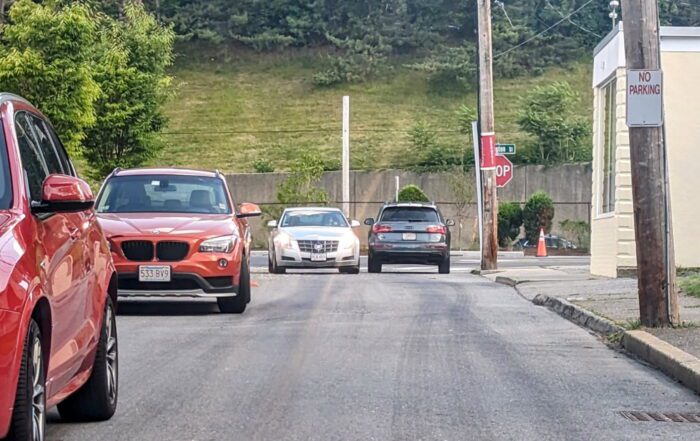
LWV Parking Ban Ballot Question Meeting
Oct. 7, 7 to 8:45 pm
Newton Free Library
330 Homer Street
Newton Municipal Election
Nov. 4

Mali Brodt is a candidate for the Newton school committee in Ward 6. Learn more about her views from her campaign website, the Beacon’s profile, and her responses to the Beacon’s candidate survey:
Would you support a Proposition 2 1/2 operating override to fund schools and other city expenses?
Yes. To support a budget override, we need to approach the process thoughtfully, transparently, and strategically. First, we must use all available levers—state and federal funding, grants, partnerships, and efficiencies within the current budget—before turning to taxpayers. An override should never be the first or only solution. At the same time, we must vett the budget carefully, ensuring every dollar supports students, educators, and core priorities like class size, mental health, and engaging programming. We should learn from other communities that have passed successful overrides—what made their messaging effective, how they built trust, and what outcomes they prioritized. Most importantly, we need to make the case that strong public schools are a foundation of a strong community, and investing in them benefits everyone—now and in the future.
Did you support the NTA going on strike last year?
No position. I fully support our teachers and deeply respect their commitment to our students and schools. The strike was a terrible outcome that reflects accumulative failures over time—failures in communication, leadership, and addressing critical issues like staffing and resources. This situation was avoidable if earlier conversations had been more transparent and collaborative. Teachers must have felt they had no other option left to make their voices heard and secure the support their students and classrooms urgently need. Moving forward, it’s essential to rebuild trust, improve dialogue, and ensure that such disruptions don’t happen again. Our focus must be on supporting educators and students while fostering a collaborative environment where challenges are addressed proactively, so a strike does not happen again.
Would you keep the district’s multilevel classroom learning?
No. Multilevel classes work well at the elementary and middle school levels because classrooms are naturally constructed that way, and teachers are trained to manage diverse learners within the same setting. This structure supports differentiated instruction and meets students where they are. The challenge arises at the high school level, where teachers are content experts but often lack the training and resources needed to effectively run multilevel classes across all subjects. As a result, implementation has been inconsistent. Multilevel classes make more sense in some high school subjects than others, and should be used thoughtfully and selectively. I support maintaining multilevel classes in elementary and middle schools, while ensuring high school multilevel classes are carefully planned, well-supported, and focused where they best serve students.
Would you support the district joining School Choice, which would permit parents to send their children to public school in communities other than that in which they reside?
No. I do not support school choice because my experience—and the experiences of many educators I’ve spoken with—show it often harms the district. Most students and families who opt for school choice are those already unsatisfied or struggling in their home schools, which can disrupt both the education and the culture of the school at large. School choice can create instability, divert resources, and detract from efforts to help all students thrive. Additionally, some may use school choice as a way to eliminate the opportunity for Newton teachers to enroll their children in NPS, which would undermine the dedicated educators who work tirelessly here. Our focus should be on strengthening Newton’s schools for every student here, ensuring equity, inclusion, and excellence for all.
Would you support keeping the schools’ DEI initiatives even if it may mean losing millions of dollars in federal funding?
Yes. In today’s polarized national climate, it’s more important than ever to keep our local values strong and centered on what truly matters to our community. While national trends often push divisive rhetoric that overshadows constructive dialogue—we must focus on protecting our kids and fostering a safe, inclusive environment here at home. Newton is stronger because we embrace diversity, equity, and inclusion (DEI), which enriches our schools and community. Keeping these values at the forefront helps us resist harmful national pressures and instead build a supportive, respectful space where every student and family feels valued. By prioritizing local voices and commitments, we ensure our community thrives, grounded in kindness, respect, and shared purpose.
Are you prepared to close one or more of the city’s elementary schools if data supports doing so?
Yes. I am willing to consider closing an elementary school if the data clearly supports that it is in the best interest of the whole district and its students. Sometimes we have to face hard truths and make difficult decisions, even when they challenge our emotions or nostalgia. It’s better to have schools that are full and vibrant, where resources are used efficiently and students benefit from strong programming and peer communities. Decisions like this must be driven by careful data analysis, not sentiment alone. Ultimately, the priority has to be what serves students best—ensuring quality education, equity, and opportunity for all. When we put students first, we can make the tough calls needed to strengthen our schools and community overall.
What one big idea or initiative would you champion, once elected?
I support an initiative focused on fostering student belonging by creating a school culture where every student feels safe, respected, and included. This means implementing proactive, comprehensive anti-bullying programs that teach empathy and conflict resolution before problems arise. Social-emotional learning and support are key—helping students develop self-awareness, manage emotions, and build positive relationships. We must prioritize a positive climate by training staff and students on inclusion and equity, and by intentionally bringing diverse voices to the table—including students, families, and educators—to shape policies and practices. Encouraging multiple perspectives builds understanding and trust. When students feel connected and valued, their engagement and joy in learning increase, improving academic and social outcomes. This initiative would ensure that our schools are places where all students thrive and feel empowered.