VOTE NOV 4
Voter Resources
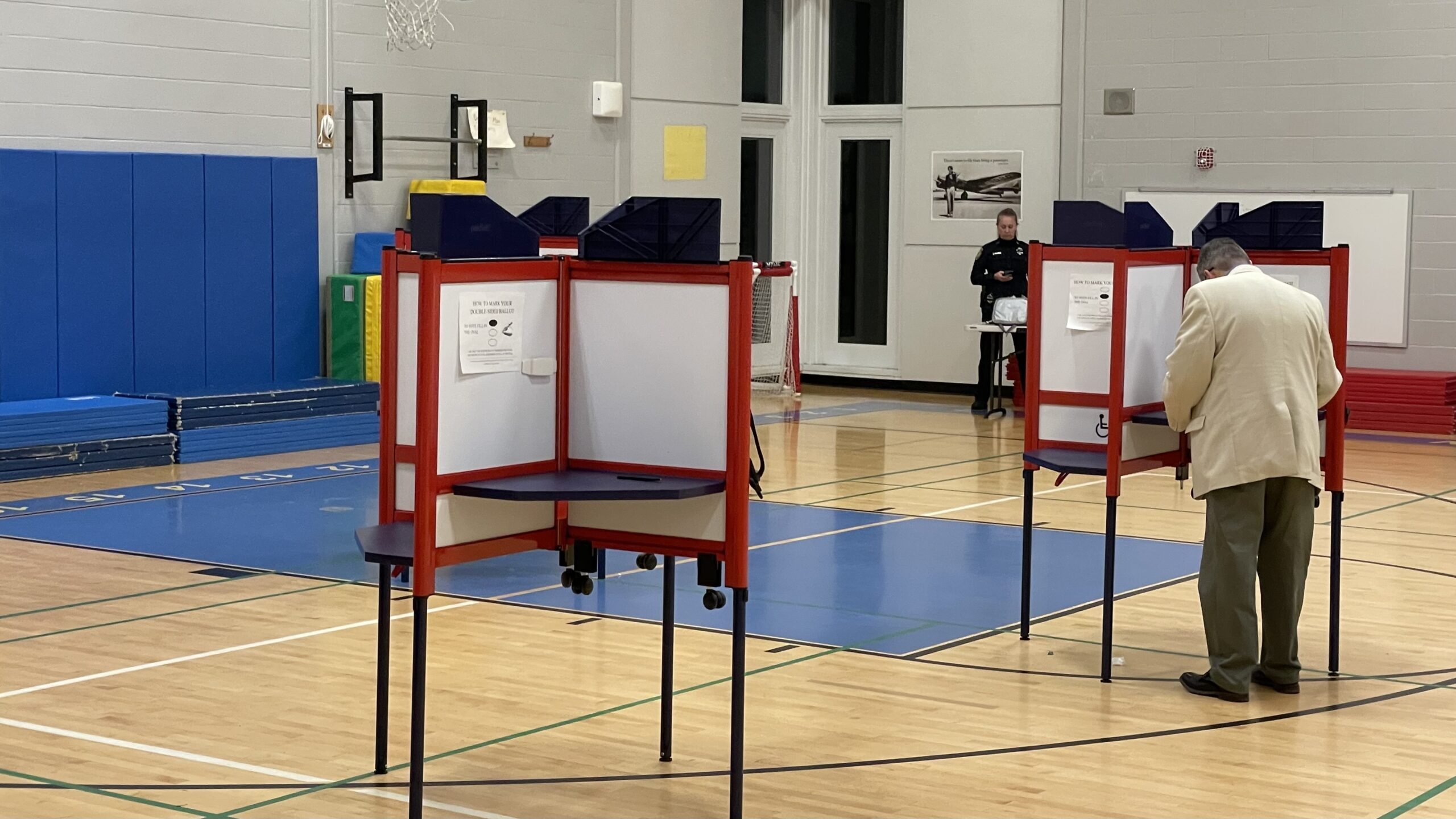
Election Day:
Tuesday, Nov. 4.
Polls: 7 am to 8 pm
Early voting at Newton City Hall:
Oct 25: 11am to 5pm
Oct 26: 11am to 5pm
Oct 27: 8:30am to 8pm
Oct 28: 8:30am to 5pm
Oct 29: 8:30am to 5pm
– Check Your Status
– Register To Vote
– Find Your Ward, Precinct and District
– Find Your Voting Location
– More on Elections: Secretary of State
Election Events
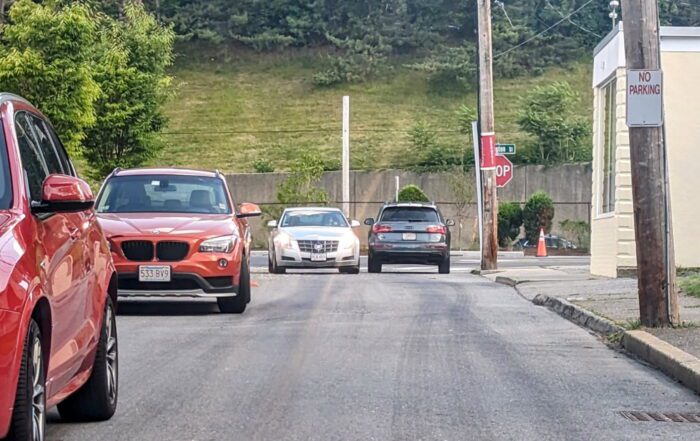
LWV Parking Ban Ballot Question Meeting
Oct. 7, 7 to 8:45 pm
Newton Free Library
330 Homer Street
Newton Municipal Election
Nov. 4
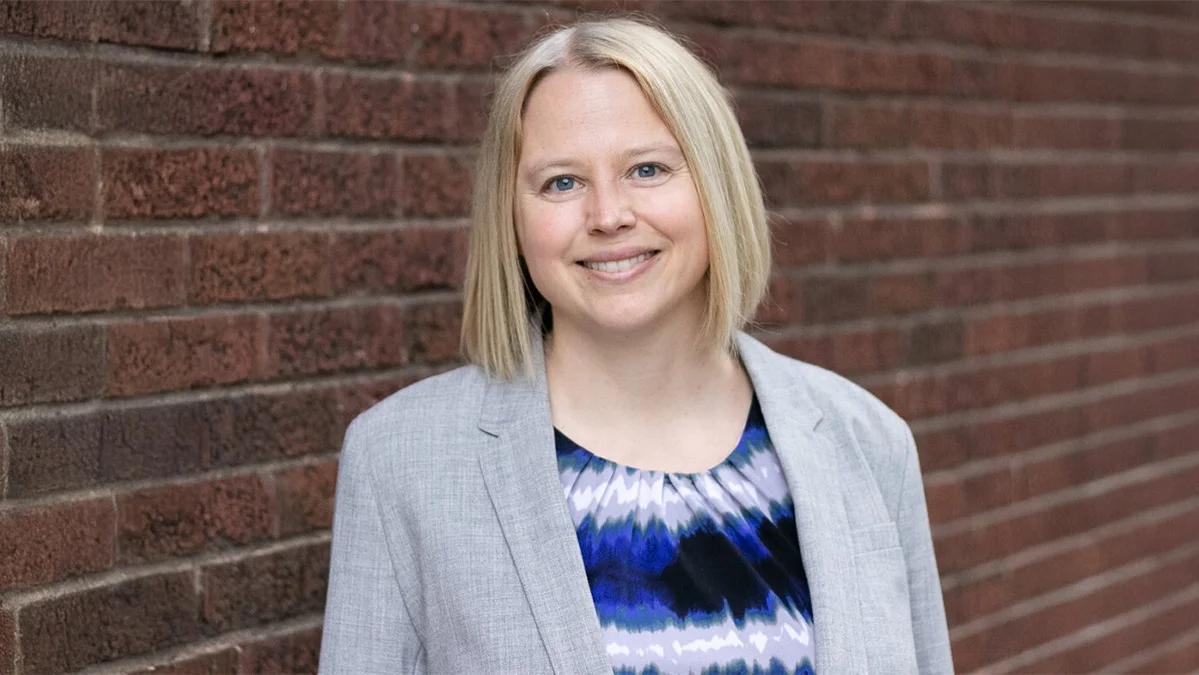
Christine Fisher is a candidate for the Newton school committee in Ward 2. Learn more about her views from her campaign website, the Beacon’s profile, and her responses to the Beacon’s candidate survey:
Would you support a Proposition 2 1/2 operating override to fund schools and other city expenses?
Yes. The cost of maintaining high-quality education continues to rise while funding lags behind. Before an override, the district must rebuild trust with the community by showing accountability, sharing a clear long-term plan, and demonstrating responsible resource management. Right now, many in the community feel disconnected from our schools. We need more regular communication about what’s working and what isn’t so the community understands the full picture. Only with this transparency and trust in place can we have an honest conversation about an override. Strong schools are critical to student success and to the health of our city.
Did you support the NTA going on strike last year?
No. I did not support the strike because it disrupted student learning and created real hardship for families. That said, I take seriously the concerns teachers raised about workload, pay, and resources. The strike showed a breakdown in trust and communication between the district and the NTA. We need leadership that restores collaboration, where issues are addressed early and negotiations are respectful and transparent. The goal should always be to keep students in classrooms and ensure teachers feel supported, so families, educators, and the district can work together toward shared goals.
Would you keep the district’s multilevel classroom learning?
No. Every student deserves to be both challenged and supported. Multilevel classrooms can work when teachers have proper tools, training, and manageable class sizes, but they are not a one-size-fits-all solution. The district must evaluate whether this model truly helps students thrive and listen to feedback from teachers and families. If evidence shows it isn’t working, adjustments should be made. If we return to leveled classes, we must also provide ways for students to move between levels, with supports for acceleration and holistic placement practices. Students learn at different rates, and our policies must reflect that.
Would you support the district joining School Choice, which would permit parents to send their children to public school in communities other than that in which they reside?
No. Newton’s first responsibility is to its own students. I would not support joining School Choice if it diverts resources, staff, or focus from our community. Our classrooms already face challenges with enrollment shifts, staffing shortages, and budget pressures. Adding outside students could stretch schools further. Instead, we should strengthen our neighborhood schools so every Newton child has access to excellent education close to home. That means investing in teachers, programs, and supports that keep Newton schools strong and ensure families continue to see them as the best choice for their children.
Would you support keeping the schools’ DEI initiatives even if it may mean losing millions of dollars in federal funding?
Yes. I support initiatives that ensure all students feel welcome, included, and able to succeed, because belonging is directly tied to academic achievement. At the same time, I recognize that losing millions in federal funding would harm staffing, programs, and classroom resources, ultimately hurting students. I believe we can and must do both: maintain inclusive schools and protect critical funding. As a School Committee member, I would work with other districts and the State to oppose any federal actions that threaten funding for DEI efforts, while ensuring our local policies are both practical and sustainable.
Are you prepared to close one or more of the city’s elementary schools if data supports doing so?
Yes. Closing a school is one of the most difficult decisions a community can face. Schools are central to neighborhoods and families. My priority would be to focus first on keeping and growing enrollment, ensuring that our schools are strong, vibrant, and fully serving the community. At the same time, we must be realistic about overall population trends, financial constraints, and program quality. If data shows that maintaining all schools is unsustainable, consolidation may need to be considered, but only after exploring every alternative to optimize space and resources. Any process must be transparent and collaborative, with families fully engaged, so that decisions are clearly tied to what is best for students.
What one big idea or initiative would you champion, once elected?
I would champion a districtwide review and update of our technology policies. Significant work has already been done on cell phone policies, but families, teachers, and students continue to raise questions about screen time, devices in classrooms, and the use of AI. The policy should address not only how students use AI, but also how staff and administration use it responsibly. AI can be a powerful tool for learning and administrative efficiency, but it must be implemented thoughtfully, with safeguards to protect student learning and privacy. The School Committee’s role is to set clear, consistent policies that reflect community values and support outcomes. With careful guidance, we can maximize benefits, minimize risks, and prepare students for a digital future while keeping learning at the center.