
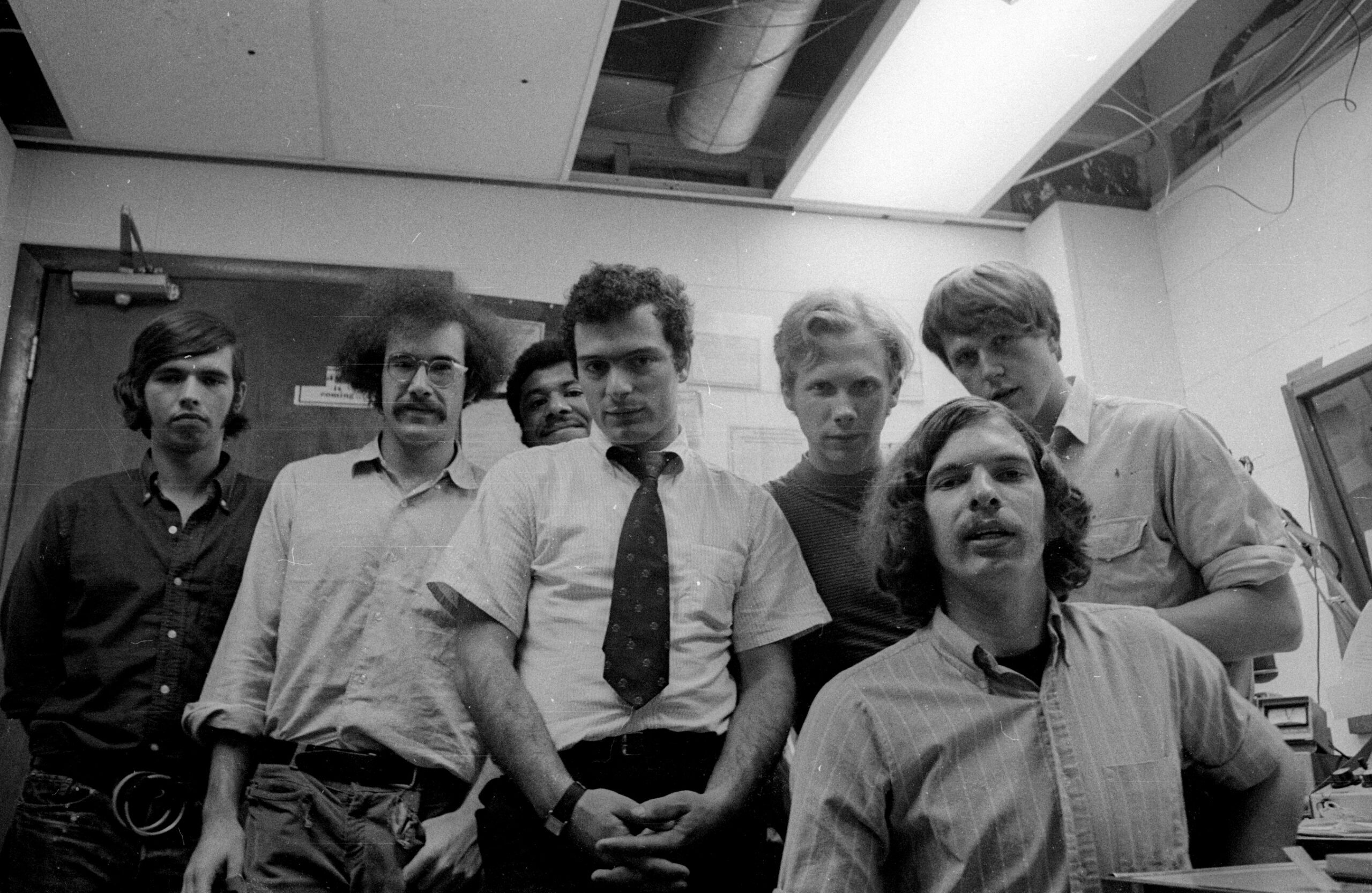
wbcn6
WBCN announcers in air studio at 312 Stuart Street circa 1979 Photo used with permission by David Bieber
For more than four decades, WBCN was more than a radio station in Boston. It was a cultural force that helped shape the city’s music scene, political consciousness and underground culture.
WBCN first went on air March 15, 1968, as the Boston Concert Network, initially broadcasting classical music. When that failed, the station reinvented itself as a free-form, progressive rock station, giving DJs the freedom to play music outside the boundaries of commercial radio.
“Suddenly all this music that you couldn’t hear anywhere else that young people were listening to, they could hear on WBCN.” said Bill Lichtenstein, Peabody Award-winning filmmaker and broadcast journalist who grew up in Newton. “And it almost immediately became sort of the public square pipeline for Boston with what was going on politically, culturally, musically, and became an important part of the community.”
Lichtenstein’s new documentary, “The Airwaves Belonged to the People: WBCN and the American Revolution,” tells the story of the station’s early years. It screens at 6:30 p.m. Friday at West Newton Cinema, followed by a Q&A with Lichtenstein.
America was going through enormous social and political changes. The Vietnam War was dividing the country, the civil rights movement was gaining momentum, and movements for women’s liberation and gay rights were growing.
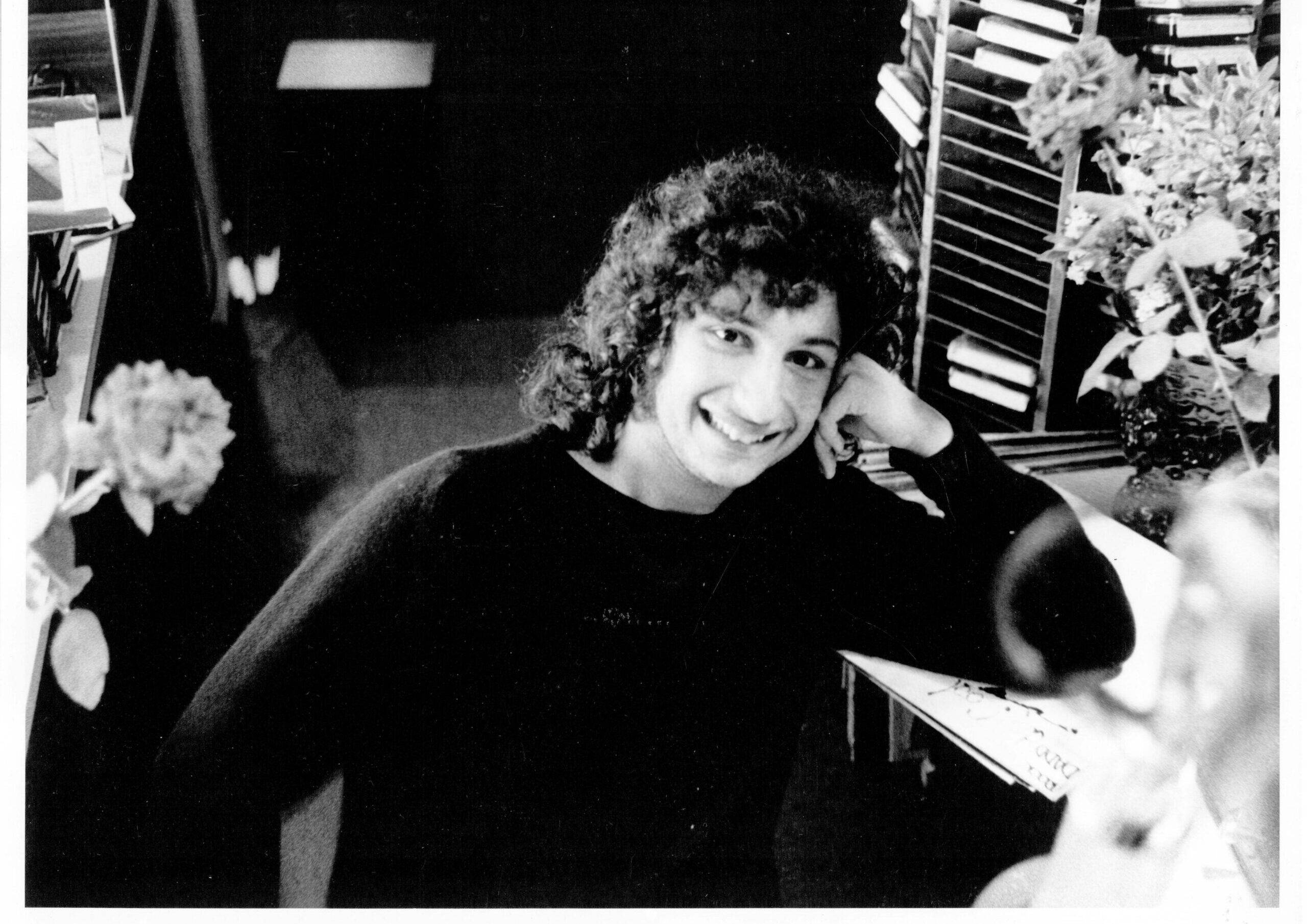
Bill Lichtenstein on the air on WBCN at Prudential Building studios circa 1973. Photo used with permission by Don Sanford
WBCN reflected that change, mixing rock, blues, jazz and experimental music with news, political discussion, and community activism.
“We put a woman show on the air and gave the lesbian people a show,” said Lichtenstein, who now lives in Somerville. “We really tried to give voice to those who did not have a voice, I think to really begin what has become the politics of inclusion, radio politics, rock and roll, created these political changes.”
“The Lavender Hour,” one of the nation’s first regular LGBT radio programs, as well as programs focused on women’s liberation. For many young listeners, WBCN became a place where they could hear new ideas as well as new music.
WBCN helped introduce Boston listeners to Boston-area bands like Aerosmith, the J. Geils Band and the Cars.
The station captured important moments in music history such as Bruce Springsteen’s first radio interview and Patti Smith’s first live radio broadcast. It also covered Boston’s lively concert scene when fans could see major bands for just a few dollars at places like the Boston Tea Party.
“It was a hugely important station nationwide and was intimately involved with a club called the Boston Tea Party,” said Brian Coleman, a writer and the owner of Root For Us Records in Newton. “They were kind of hand in hand. They were both fairly revolutionary entities when they first started.”
WBCN was trying to do something different from the usual radio station at the time. A big part of that change came from Ray Riepen, who saw an opportunity to bring Boston’s growing rock scene to the radio in a way that had never been done before.
“Ray Riepen was a Harvard law student, graduate student there, who had opened a rock club that was doing very well, and he decided you couldn’t hear any of this music on the radio,” Lichtenstein said. “So he found a classical music station was going bankrupt and did what had never been done before, which was to largely perform for its listeners. They played music. They talked to listeners. They played ads.”
Lichtenstein continued: “Riepen tried to create a much more of a conversation with his listeners, he hired college kids who had no professional radio training and basically said, ‘You can play whatever you want on the radio.’”
For Lichtenstein, the story is personal. A Newton native who attended Weeks Junior High, he began volunteering on the station’s listener line at WBCN in 1970 at just 14 years old and eventually became a newscaster and announcer.
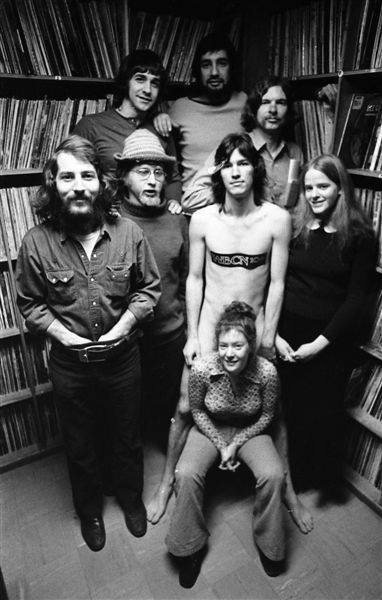
WBCN airstaff in record library at 312 Stuart Street studios, 1971. Photo used with permission by Peter Simon
That experience helped launch a journalism career that led to ABC News, a Peabody award and more than 60 other journalism honors.
Lichtenstein’s documentary uses old photographs, archival footage and historic broadcasts to revisit WBCN’s formative years and its connection to Boston’s music and counterculture.
“The documentary does a good job of covering how much of a community the station was when radio was an important part of people’s lives,” Coleman said, “before the internet, before streaming, before Spotify or any of that. Radio stations were part of your life. They were a companion. They were someone you relied on to give you information, not just music, but also the importance of WBCN was also a kind of community gathering space. It provided information from the community back out to the community”
WBCN continued to evolve, moving from free-form underground radio to album-oriented rock and later modern and alternative rock. After more than 40 years on the air, it signed off in August 2009.
But its influence remains. WBCN showed that radio could be more than music, it could be a place for new ideas, independent voices, community, and culture. For a generation of Boston listeners, tuning in on WBCN meant discovering something new and sometimes discovering that they weren’t alone in thinking differently.
WBCN didn’t just broadcast Boston’s counterculture. It helped give culture a voice.
“We really tried to give voice to those who did not have a voice,” Lichtenstein said. “Everybody deserves to sit at the table. I hope that they understand that everybody has an ability to make change.”
****
This story is part of a partnership between the Newton Beacon and the Boston University Department of Journalism’s Newsroom program.
MORE IMAGES
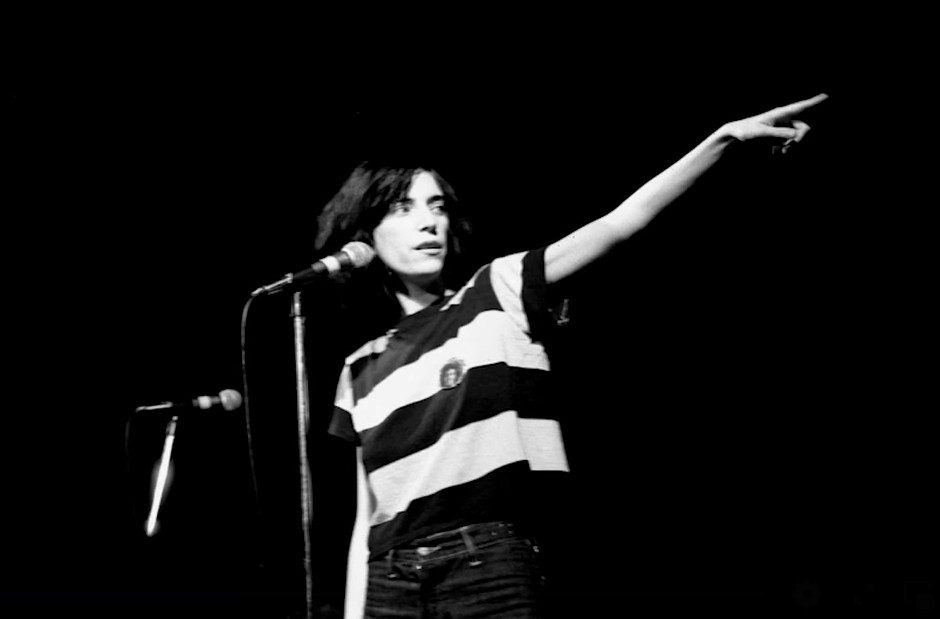
Patti Smith in her first live radio broadcast from the Jazz Workshop in Boston January 9, 1976. Photo used with permission by Barry Schneier
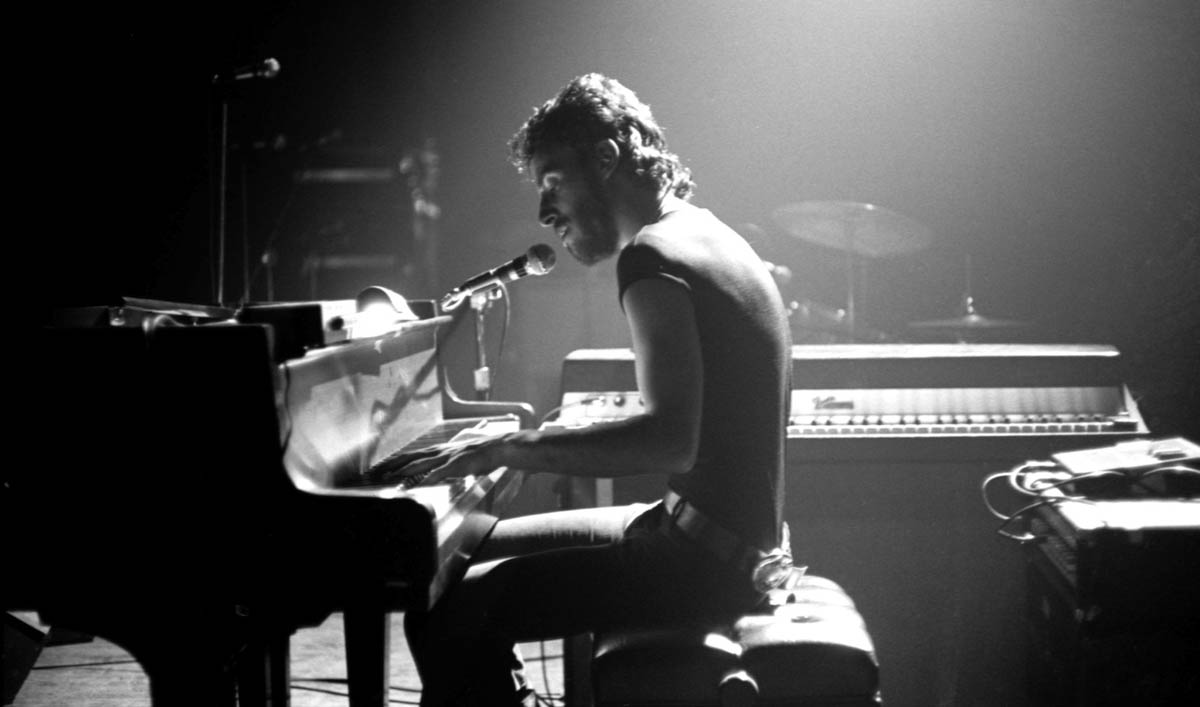
Bruce Springsteen at Harvard Square Theater the night Real Paper reviewer Jon Landau wrote “I saw rock and roll future and its name is Bruce Springsteen,” May 9, 1974. Photo used with permission by Barry Schneier
Share This Story On:
DONATE TO SUPPORT LOCAL NEWS
Your tax-deductible gift to the Newton Beacon keeps our community connected and its residents informed.
Get story alerts twice a week:
Related Posts




Upcoming Events