
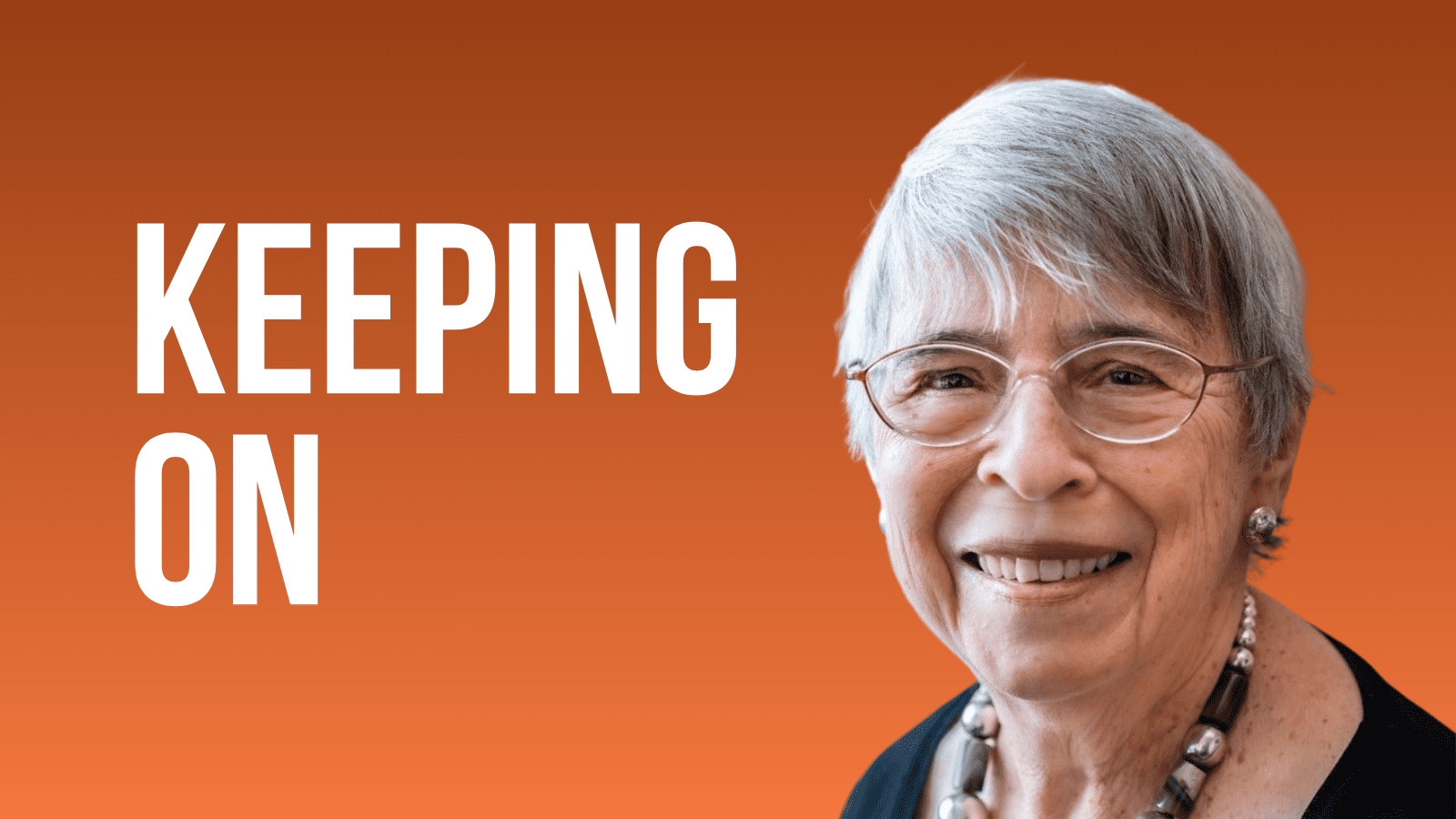
KEEPING ON
When I was growing up in the 1940s and 1950s, I was attracted to open-minded political and social views.
I think some of this attitude came from my mother, who was accepting of others with diverse backgrounds. When I was eleven, she encouraged me to accept an invitation to a school dance from a boy of a different racial heritage. My father was slightly more ‘conservative’ because he had Republican friends who were connected to local government and they helped my dad in his business endeavors. Yet, everyone was always accepted into our house for my teen gatherings.
Early in high school, one of my young and male (unusual on two counts) teachers assigned us the book “Cry the Beloved Country” by Alan Paton. It was published in 1948, a few years before we read it in class. It made a profound impact on me.
This momentous book was written just before apartheid was instituted in South Africa and it graphically and poignantly laid out the contrasts, tensions, and dilemmas of that country’s very distinct but enmeshed black and white populations. I never knew that these kinds of convoluted societies existed. It was a revelation to me. But even at such a young age, I somehow understood that animosity and cruelty toward people who were different from me was wrong.
Before I graduated from high school in 1956, there were some clear actions against separation and disparity in the US. In 1954, the Supreme Court ruled that racial segregation in public schools was unconstitutional. In 1955, Rosa Parks, after a hard day’s work, refused to give up her seat at the front of the bus. How brave she was! She got arrested. I felt that both the Supreme Court and Rosa Parks were absolutely right.
Even though I didn’t dwell on it much, I was keenly aware that all of my grandparents were poor, non-English speaking immigrants who managed to escape the terror and oppression of the Russian Empire to gain some hope and opportunity in America. In the 1920s, one of my widowed grandmothers broke the law by selling illegal alcohol during Prohibition. She was afraid she would get caught and deported, but what could she do? She had six young kids to feed. I wonder what would happen to her now in this historical moment.
Throughout my adult life, I watched and celebrated what I thought was progress towards a humane society here in the US. “Finally,” I would muse, “things are getting better for everyone. We are making progress towards a more equitable, safer world.”
My naïve view of what I thought was our nation’s progress began to seriously unravel in 2016 with the election of a US president who demeaned those who did not have his skin color and who brazenly spouted dictatorial cliches.
“This can’t be.” I thought. “America won’t buy into this negative, destructive life-view.” I was wrong. Very wrong. In 2024, this same control-seeking person was elected president again.
A few days ago, I went to the Metropolitan Opera’s HD broadcast of Verdi’s Macbeth, which is based on Shakespeare’s 1606 play. It is the story of a power-hungry, deranged, potential king who would stop at nothing, including multiple murders, lots of lies, and devious schemes to ascend to the throne.
It is very bloody. In the end, good prevails, but the damage to individuals’ lives, long-standing traditions, and the stability of the home country, is enormous. The Macbeth story is deemed not to be real, but does reflect some actual fragments of Scottish history. As I watched and even knowing that it was fiction, it felt ominously prophetic for us today.
In Newton, we have a tradition of acceptance. We are fortunate that our current administration has been proactive in protecting the lives and dignity of so many who wish to live here.
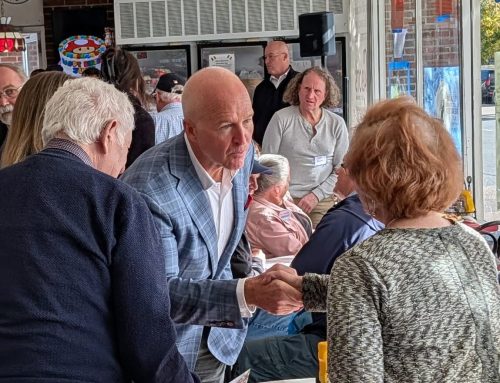
Shortly after his inauguration, on February 5, 2026, Mayor Mark Laredo signed an executive order that limits our police department’s cooperation with federal immigration enforcement. The order restricts federal operations on city property without proper warrants. Police can cooperate with federal law enforcement in pursuing violent criminals, but not much more.
Newton continues to be a Welcoming City, although the federal government is not happy with this designation. I am fortunate to live in a place that welcomes others. But I know well and am deeply dismayed that many locations are not like that. Innocent people are getting shot and killed for no reason. Families are torn apart. It’s horrific and unacceptable.
Still, I want to remain positive. I’m drawn back to my naïve vision of an open, dignified, and considerate world. Is that a possibility? I don’t know, but I can’t give up hope.
Marian Leah Knapp is a writer and book author who lives in Newton. She can be reached at knappml@comcast.net.
Share This Story On:
BEACON SPONSOR

DONATE TO SUPPORT LOCAL NEWS
Your tax-deductible gift to the Newton Beacon keeps our community connected and its residents informed.
Get story alerts twice a week:
Related Posts






Upcoming Events