
historichomes
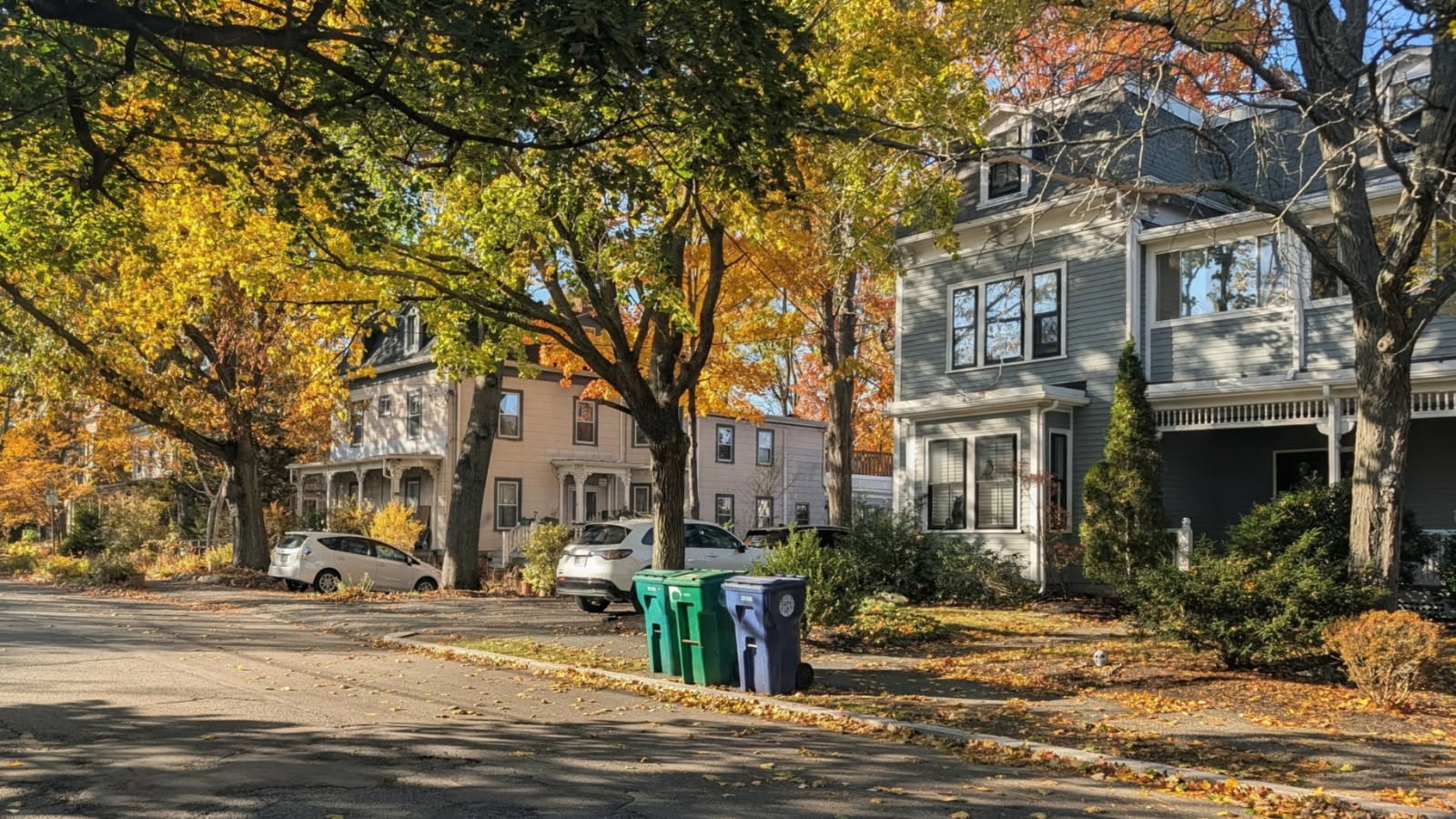
A row of historic homes along Washington Park in Newtonville. Photo by Bryan McGonigle
In a mission to save more 20th century homes in Newton from the controversial McMansion makeover trend, the City Council’s Zoning and Planning Committee is mulling a longer demolition delay.
“The goal is preserving, rehabilitating and restoring whenever possible, and looking at things that have distinctive architectural features or historical associations that contribute to the historic fabric of the city,” Nora Colello, long-range planner for the Newton Planning Department, said.
Currently in Newton, if the owner of a historic home—and that means any home older than 50 years—wants to tear it down, the Historical Commission can impose a demolition delay. Most properties fall under a one-year delay, while properties listed on the National Register of Historic Places get an 18-month delay.
A property is eligible for historic preservation if it fits any of the following criteria:
- It’s on a state or federally listed historic registry.
- It has a historic association as defined by city ordinance.
- It’s associated with historically significant events or people.
- It represents the architectural or cultural history of the city, state or the country.
- It is historically significant due to its period and style of construction, either by itself or as part of a group of buildings or structures.
A proposal by the Planning Department calls for an increase in the time of delay for new construction to 24 months, which would also increase the mortgage costs for new construction (a builder would have to pay the mortgage while the delay is in effect). The proposal also extends the delay for substantial renovation (gutting the inside, adding a new wing, etc.) from four months to 12.
“We want to disincentivize applications for demo delays first,” Colello explained. “That’s where we want to capture most people. The ones that are still going to proceed with demolition, we want to try to incentivize partial over full demo, so that’s kind of the strategy with all of these.”
The Planning Department proposal would add residential neighborhood development history to the list of criteria. And it makes the waiver application process more difficult by establishing higher standards for waivers and requiring applicants to show a hardship requiring a waiver.
The demolition delay is used to incentivise preserving buildings rather than tearing them down, and proponents of lengthening the delay say it will only strengthen that incentive. The hope is that someone planning to buy a home to tear it down will rethink that purchase or find a way to work with the existing home.
“We need to think about the asset in terms of a historical asset,” Councilor Rena Getz said. “So it’s not necessarily a timeline. It’s more the value of that property to the historic fabric of the city.”
Others worry that market pressures would still push people to tear down and rebuild and a lengthened delay would bring developers higher costs that would then be added to the price of those new homes.
“It could just increase the price of the house at the other end,” Councilor Susan Albright said. “The carrying costs either get taken off the seller or the buyer. We don’t know which way it’s going to go.”
The town of Milton has a 24-month demolition delay on historic properties.
“The chair of the committee in Milton seemed to feel that what’s going on there is that people just get the time clock running,” Albright said. “And I don’t know if they’re paying less or they’ll charge more at the other end, but it’s not stopping the demolition of these houses. It’s just changing the timeline.”
Given the volatility of construction costs in the last several years, a change in timeline can bring chaos to a project’s feasibility.
Doug Cornelius, chair of the Historical Commission, said adding criteria—time period of the building, national registration status, local cultural significance, etc.—to determine the delay could help slow the ongoing citywide demolition frenzy. But he cautioned against relying too much today on an outdated national designation system.
“The one concern is there was a tremendous amount of that done in the ’80s,” Cornelius said “There’s not much going on now, so to some extent, that’s almost sort of captured in amber. Some of the oldest stuff in the city is captured with that, but that’s not really much of an ongoing process anymore.”
Reducing waivers would be a welcome relief to the Historical Commission, Cornelius added, as waivers take up a lot of the Historical Commission’s time. But he cautioned against getting rid of waivers, since a four-month waiver process is a good alternative to waiting for full demolition.
“I would argue that, at minimum, four months is good because then you have a big delta of 20 months as leverage against the applicants to get something done, as opposed to, when you extend that out, all of a sudden leverage gets less and less as they just decide they’re just going to wait it out and not bother listening to our comments,” Cornelius said.
Eliminating the chance for a waiver eliminates the Historical Commission’s ability to incentivise the owner down to a partial renovation or negotiate the finished result.
And, Cornelius noted, many homes built in the 1950s and 1960s are at the end of their structural lives.
“There are no good ways to renovate these,” Cornelius said. “They’re just going to come down.”
The committee plans to continue the discussion of historical demolition delays as the Planning Department works on tweaks to its proposal.
The issue ties in with a larger push to preserve homes in Newton as developers have been tearing down houses and building large houses in their place, making single-family home prices spike even higher and unraveling centuries of character that have been woven into the city’s real estate tapestry.
You can watch the entire Zoning and Planning presentation on NewTV.
Share This Story On:
BEACON SPONSOR

DONATE TO SUPPORT LOCAL NEWS
Your tax-deductible gift to the Newton Beacon keeps our community connected and its residents informed.
Get story alerts twice a week:
Related Posts







Upcoming Events