
ElectionPic
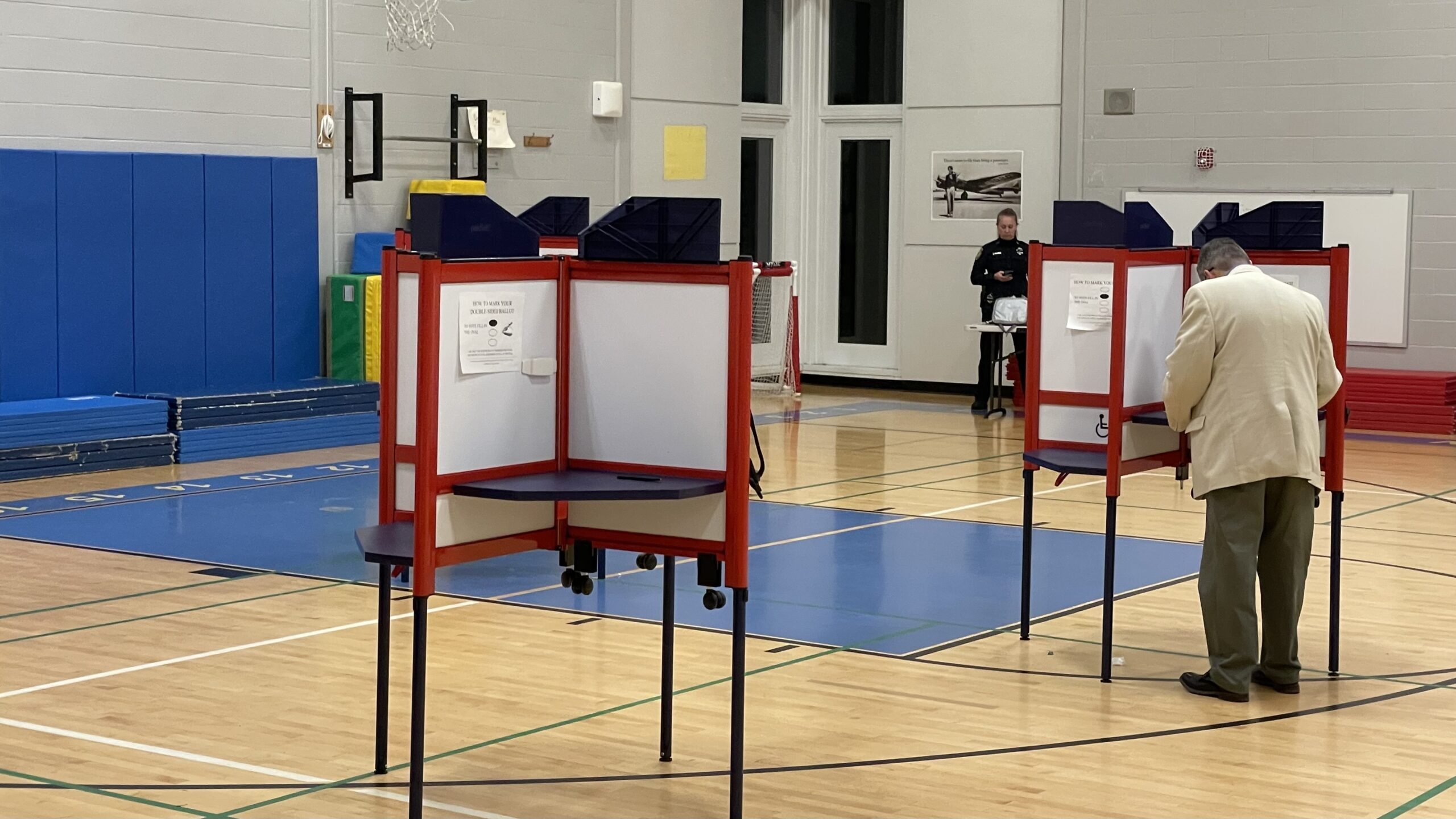
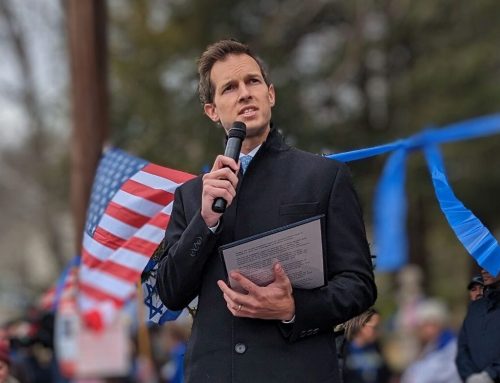
Newton's 2023 municipal election ushered in new faces to the 24-member City Council. Photo by Burton Glass
It’s time for Newton to move to even-year elections. Only about 25% of Newton’s voters turned out to vote in 2023’s highly controversial municipal elections that made headlines for its focus on the Village Center Overlay District rezoning map.
To put that number into context, in the 2020 and 2024 presidential elections, about 80% and 77% of Newton voters turned out, respectively. In the 2022 midterms, Massachusetts voters had an overall turnout of 51%.
Other off-year elections haven’t fared much better: 2021 saw 32% turnout, 2019 had 25% turnout, and 2017’s turnout rate was a high of just 42%.
Clearly, not everyone who makes their voice heard in federal and state elections does the same for local races, even though arguably the mayor and the city council can have even more of a day-to-day impact than President Trump, Senator Elizabeth Warren, or Governor Maura Healey.
In a 2019 study, University of Chicago Professor Christopher Berry and Harvard Law School Professor Jacob Gersen found that when local elections are not in sync with federal and state elections, the most engaged voters are the only ones remaining to decide the outcome because low-information voters have greater costs and fewer incentives to go and cast a ballot. Consequently, a 2021 study by Boston College professors Michael Hartley and Sam Hayes found that the lack of the median voter participation means that off-cycle elections created a discrepancy between the victors and the median voter.
Individual policy preferences aside, the lack of representation for a majority of Newton’s eligible voters is, in itself, a real issue. Free buttons and increased voter education won’t change the fact that not everyone is as engaged with the democratic process to show up on random Tuesdays in September and November.
Therefore, I propose that the city shift its elections to even-years. If this sounds radical, I can assure you that it’s not. A 2015 California law that required cities to hold their elections on-cycle saw the average turnout in 54 cities skyrocket from 25% to 75%. Other municipalities in Massachusetts have tinkered with their governments, such as Framingham, switching from a representative town meeting to a mayoral-city council type of government in 2017, and New Bedford extending their mayoral terms to 4 years in 2019.
Even Newton has made changes in recent years—in 2015, the city got state approval under home-rule to change the name of its legislative body to the City Council from the Board of Aldermen.
When the next city council takes office in January, councilors should consider making this change and allow more civic engagement in city politics. In a time when local policy plays such a vital role for our schools, roads, and homes, a more representative city government is so much more important.
Jacob Fridman
Waban
Share This Story On:
DONATE TO SUPPORT LOCAL NEWS
Your tax-deductible gift to the Newton Beacon keeps our community connected and its residents informed.
Get story alerts twice a week:
Related Posts

Upcoming Events