MATTERS OF FAITH
Some of you may remember The Odd Couple, the 1970s television sitcom starring Jack Klugman and Tony Randall. Oscar Madison was a sportswriter whose apartment looked like a tornado had passed through. Felix Unger was meticulously neat and couldn’t stand a dirty dish in the sink or a picture hanging crookedly on the wall.
How did these two men manage to live together without driving each other crazy? Who knows! We enjoyed watching them try for five seasons.
Here’s another odd couple: spirituality and voting.
When we think of spiritual practices, certain activities pair with them as naturally as a warm slice of apple pie and a scoop of vanilla ice cream. I’m thinking of prayer, meditation, reading sacred texts, religious observance, singing, dancing, silence and spending time in nature.
You might be surprised to know I’d put something else smack dab in the middle of that list: Voting.
Some time ago, I heard someone describe voting as a sacrament of democracy. I loved that description! In my Christian tradition, sacraments take ordinary things like water, bread and wine, and give them sacred significance.
The idea that an ordinary act can carry extraordinary meaning is not something Christianity can claim exclusively. Many religious traditions join in this chorus.
But my thinking about voting as a sacrament of democracy began to shift when I thought about the millions of people around the world who can not vote because of their citizenship or immigration status.
Others live in countries where elections are theater, with the script already written and the winner decided. In some places, refusing to play along or daring to vote against those in power can cost people their freedom or their lives. Their families and friends may suffer the consequences, too.
For years, I wholeheartedly embraced the idea that voting is a sacrament of democracy. I still do. But the more I look at what is happening in our country, the more convinced I am that voting carries an even greater responsibility.
Voting is an act of stewardship. Full stop.
I know that for many people, stewardship brings back memories of sitting through another religious fundraising appeal. (No, I’m not going to ask you for money.) But across numerous religious traditions, stewardship is about more than what we do with what’s inside our wallets. It is our sacred responsibility to care for the world, its resources, and the communities entrusted to us. In short, it’s how we practice and live out what we believe!
We can not simply go through life taking whatever we want as though we’re at the buffet on a cruise ship, then leave the care and cleanup to others. The same goes for our democracy.
Our democracy is shaped by and for “we the people.” It does not belong to politicians who want to hold public office indefinitely or manipulate the political process for personal gain.
Yet across the country, we see attempts to manipulate electoral boundaries and redraw voting districts to protect political power. Communities are divided and voters are deprived of a fair opportunity to hold their representatives accountable. Instead of serving the people who entrusted them with authority, politicians are using that authority to protect themselves.
What kind of stewardship is that?
And what about the efforts to make voting harder? Here in Massachusetts, the League of Women Voters and other voting rights organizations have challenged federal restrictions on mail voting. Massachusetts Attorney General Andrea Joy Campbell also joined a coalition of states that successfully secured a court order blocking new federal postal requirements that threatened to interfere with mail voting in November’s elections.
Across the country, election security has become the justification for measures that threaten to make voting more difficult for eligible citizens. Protecting elections from fraud is important, but it should never become an excuse for denying people a meaningful opportunity to participate.
If democracy belongs to the people, why are we making some people work so hard to exercise their rights?
The upcoming midterm elections on Tuesday will have enormous consequences, including for people who can not legally vote. Some are too young, others are not citizens, and still others face legal restrictions. But they will live with the consequences of our elections just as surely as those of us who cast ballots. Their voices, concerns and contributions to our communities matter.
Those of us who can vote have a particular responsibility to exercise that right, not only for ourselves but for neighbors whose futures are tied to decisions made in our name. How we vote has a direct impact on how our communities will look and how people will live.
During the Civil Rights Movement, Black churches helped organize voter registration campaigns and challenged laws that kept Black Americans away from the ballot box. People were threatened, beaten, jailed and murdered because they fought to have a voice in their government.
Women also endured violence, imprisonment, and public humiliation during the struggle for women’s suffrage. And the fight to make the ballot accessible to those historically excluded continues today.
Their sacrifices ought to give us more than enough reason to show up and encourage others to do the same.
Here in Massachusetts, voters will face nine statewide ballot questions. That’s quite a bit of homework! We ought to take the time to educate ourselves about the candidates and the issues before us, just as we would study for an important examination or carefully review our finances before making a major decision.
We can complain about Washington, shake our heads at the evening news, and argue over dinner about what has become of our political institutions. But if we have the right to vote and decide to stay home, or fail to encourage others who are eligible to participate, how seriously are we taking our responsibility for this democracy? And what does that say about our responsibility to care for God’s creation and the people who share it?
Remember the “odd couple” Oscar and Felix? Oscar could complain about Felix’s nagging, and Felix could complain about Oscar’s mess. But no amount of complaining was going to clean that apartment.
America has quite a mess on its hands, and next Tuesday gives us an opportunity to do something about it. Will one election solve all our problems? We’d be sadly mistaken to think so. But it can help determine whether we move closer to becoming a more just and loving nation for all.
Oscar and Felix shared a home, and neither could escape responsibility for what happened inside it.
We share this country, with all its challenges and opportunities. And we have a responsibility to do more than complain about its condition. We have the opportunity to help shape its future.
So let’s show up. Let’s make our voices heard. And let’s encourage our neighbors to do the same.
Because when the votes are counted and the election is over, we will still have to live together in this country. The decisions made in our name will affect all of us, including those who never had a chance to cast a ballot.
That’s why voting belongs among our spiritual practices. It’s one way we put our values to work, exercise our responsibility for one another, and help care for the home we share.
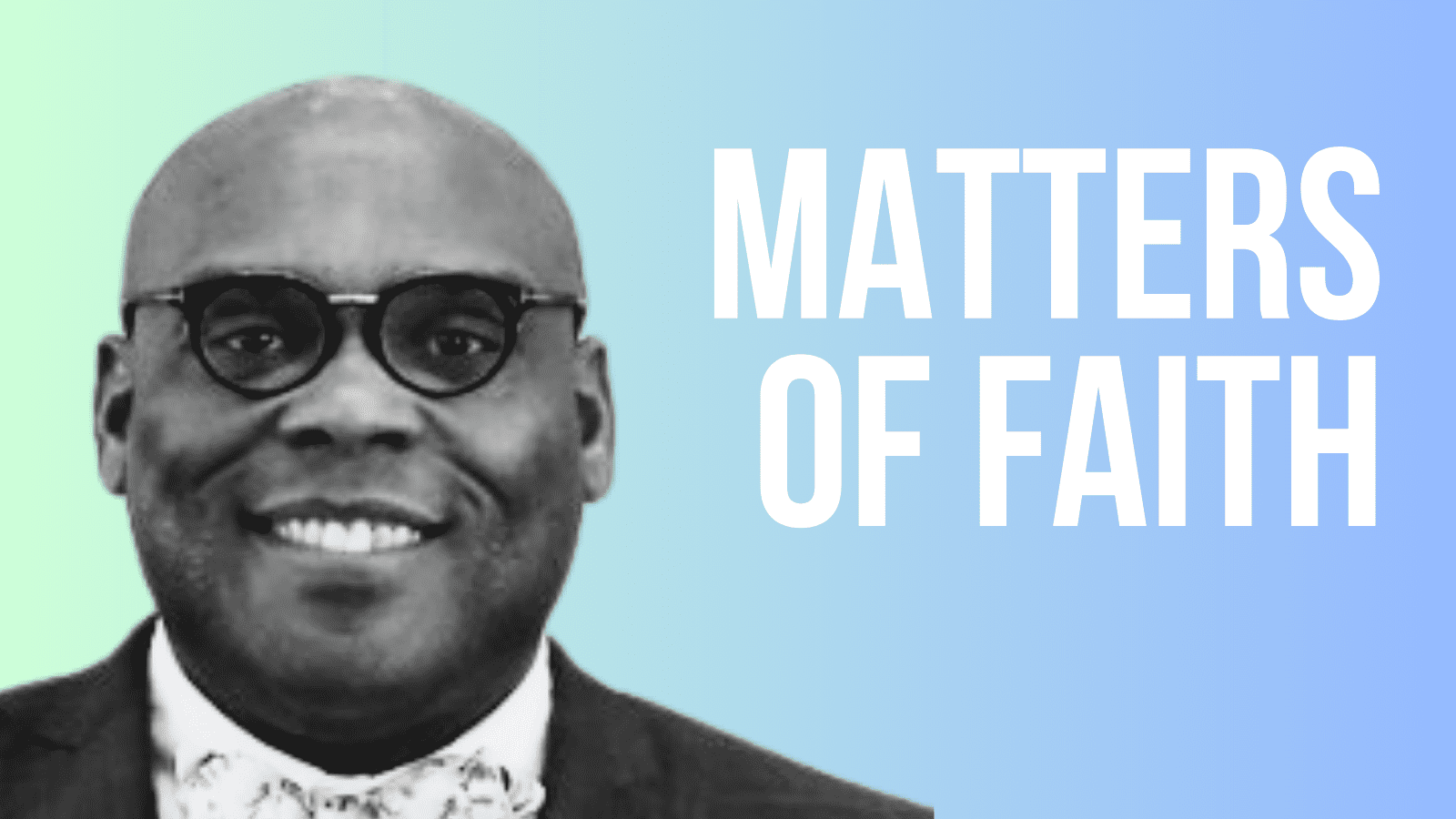
The Rev. Dr. Eric C. Jackson is pastor of Eliot Church of Newton, UCC. He welcomes your feedback at pastoreric@eliotchurch.org or invites you to join him for coffee and conversation after the 10 a.m. service each Sunday.
Share This Story On:
BEACON SPONSOR
DONATE TO SUPPORT LOCAL NEWS
Your tax-deductible gift to the Newton Beacon keeps our community connected and its residents informed.
Get story alerts twice a week:
Related Posts

Upcoming Events