VOTE NOV 4
Voter Resources
Election Day:
Tuesday, Nov. 4.
Polls: 7 am to 8 pm
Early voting at Newton City Hall:
Oct 25: 11am to 5pm
Oct 26: 11am to 5pm
Oct 27: 8:30am to 8pm
Oct 28: 8:30am to 5pm
Oct 29: 8:30am to 5pm
– Check Your Status
– Register To Vote
– Find Your Ward, Precinct and District
– Find Your Voting Location
– More on Elections: Secretary of State
Election Events
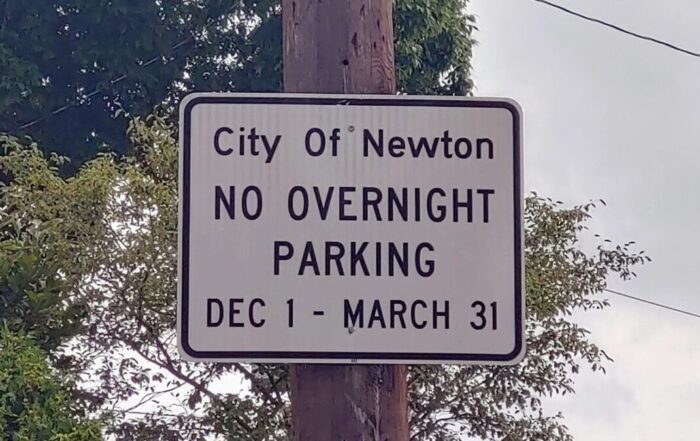
LWV Parking Ban Ballot Question Meeting
Oct. 7, 7 to 8:45 pm
Newton Free Library
330 Homer Street
Newton Municipal Election
Nov. 4
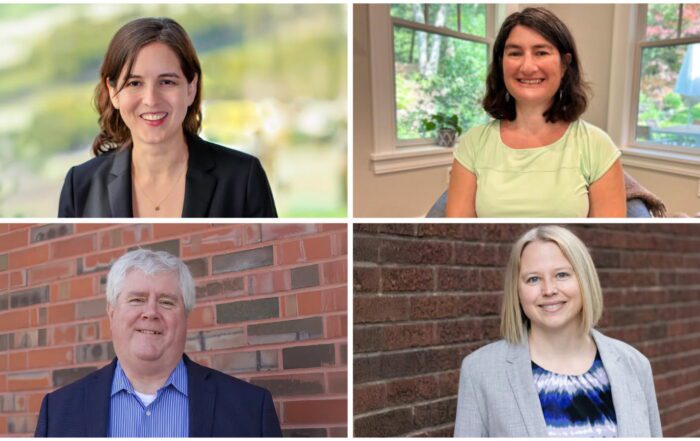
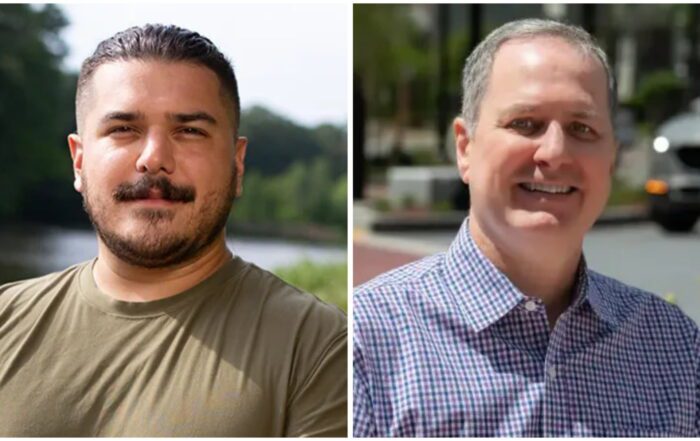
Leading up to the November 4 local election, the Newton Beacon asked candidates in competitive elections running for school committee:
Are you prepared to close one or more of the city’s elementary schools if data supports doing so?
Mali Brodt, School Committee Candidate, Ward 6: Yes. I am willing to consider closing an elementary school if the data clearly supports that it is in the best interest of the whole district and its students. Sometimes we have to face hard truths and make difficult decisions, even when they challenge our emotions or nostalgia. It’s better to have schools that are full and vibrant, where resources are used efficiently and students benefit from strong programming and peer communities. Decisions like this must be driven by careful data analysis, not sentiment alone. Ultimately, the priority has to be what serves students best—ensuring quality education, equity, and opportunity for all. When we put students first, we can make the tough calls needed to strengthen our schools and community overall.
Christine Fisher, School Committee Candidate, Ward 2: Yes. Closing a school is one of the most difficult decisions a community can face. Schools are central to neighborhoods and families. My priority would be to focus first on keeping and growing enrollment, ensuring that our schools are strong, vibrant, and fully serving the community. At the same time, we must be realistic about overall population trends, financial constraints, and program quality. If data shows that maintaining all schools is unsustainable, consolidation may need to be considered, but only after exploring every alternative to optimize space and resources. Any process must be transparent and collaborative, with families fully engaged, so that decisions are clearly tied to what is best for students.
Victor Lee, School Committee Candidate, Ward 8: No Position. Again, the devil lies in the details. It will ultimately depend on what the data in question is. Right now, I am resistant to the idea of closing or combining schools like Ward and Underwood – especially since neighborhood schools are an important element of the elementary experience in NPS and if there are any grades where lower student-to-teacher ratios are important, it is in elementary. We also have to be clear on what we would hope to gain from closing schools. With around 87% of the NPS budget relating to staff and reductions in staff not being something that can change on a dime, closing schools would have to be about longer term savings and necessities. In order to assess what the longer term future of NPS would be, we have to understand first if declines in enrollments that are likely to be the driver of closing elementary schools can be reversed by the focus I am proposing on restoring the academic rigor, funding, and stability of the school system.
Jenna Lauter Miara, School Committee Candidate, Ward 5: Yes. I’m willing to make hard choices to benefit NPS students, and that includes closing an elementary school if it’s best for those students and for the district as a whole. Students’ experiences are improved by modern facilities and right-sized schools. Neighborhood schools are wonderful, but at some point the benefits are outweighed by the downsides. If a school is too small, teachers lose out on important opportunities to collaborate with grade level teams, vital programs like MTSS are challenging to implement, and students may be socially isolated. Within a few years, nearly two-thirds of our elementary schools will have been renovated. We need to have a clear vision for the remaining schools, whose communities have been left in limbo for too long. All options need careful consideration, including combining two schools or converting one building into a K-2 school and another into a 3-5 school to preserve neighborhood schools while also improving student and teacher experiences.
Jim Murphy, School Committee Candidate, Ward 8: Yes. Prepared, yes; liking the possibility, no. Ultimately, it turns on school population, which is affected by demographic trends, private school opt-outs, and housing affordability. There’s little we can do to control the general school-age population, though school choice might help manage the impact a little. Private school opt-outs are a different matter. If NPS can offer more opportunities for students whose parents might otherwise choose private schools, then we can keep more of them here. I’m talking about classrooms that are about exploration rather than test-preparation, special education supports that allow more students to be successful, and extracurriculars that are fully funded. Then there’s housing, and on this I believe School Committee members must be more than just managers. They need to be advocates, and housing is an area where strong advocacy can have a big impact. Get the housing right and maybe we don’t have to close schools after all.
Arrianna Proia, School Committee Candidate, Ward 1: No. I am not entering this role with the goal of closing schools, but I believe we must be honest and transparent with our community about the challenges we face. The superintendent has been clear that we need a comprehensive five-year strategy that looks at all elementary schools together, including enrollment, the neighborhood school vision, and facilities. Closing one school in isolation risks disrupting families and students without addressing the bigger picture. If enrollment and facility data ultimately show that change is necessary, the School Committee must review all options carefully. Any decision must prioritize students first, ensure equitable access to high-quality education, and include meaningful community engagement. Closing a school should always be a last resort, only after exhausting other options, and it must be done with transparency, compassion, and a clear plan to minimize disruption.
Ben Schlesinger, School Committee Candidate, Ward 5: No Position. Our neighborhood schools are the lifeblood of NPS and a big part of what makes Newton such a special place to live. No one is eager to see their local school close. At the same time: a) we have many schools in need of serious renovation or replacement; b) some schools have seen severely declining enrollment; c) the cost of building new schools has spiked – the new Countryside will cost $75 million. NPS commissioned a demographer, who forecasted that the school age population in Newton will increase as Baby Boomer homes turn over to young families. We also hope that the percentage of students in private schools will keep declining – it historically sat around 18%, peaked during COVID at 25%, and is now back down around 22%. Both factors could change the enrollment math. We owe it to our communities to do the work to try to drive up enrollment, and see if we can get all our schools to the healthy and sustainable sizes that justify renewing, rebuilding or reimagining them.
Linda Swain, School Committee Candidate, Ward 2: Yes. I believe in a data-driven, transparent approach when making major School Committee decisions. If a comprehensive review—including educational, equity, community, and financial factors—supported closure, I would support it. But if based only on finances, I would not. Newton has a long tradition of neighborhood schools, which are part of the city’s fabric. Walking my kids to Cabot felt like a rite of passage, and I know how meaningful that is to families. Key data points should include factors such as: class sizes, student outcomes, access to programs, travel distances, neighborhood impact, enrollment vs. capacity and projections, cost per pupil, operating costs, capital needs, long-term budget projections, equity of access, and public input.